Solo Exhibition of Graphic and Visual Practice
平面与视觉实践个展
/PROJECT_INFO
/OVERVIEW
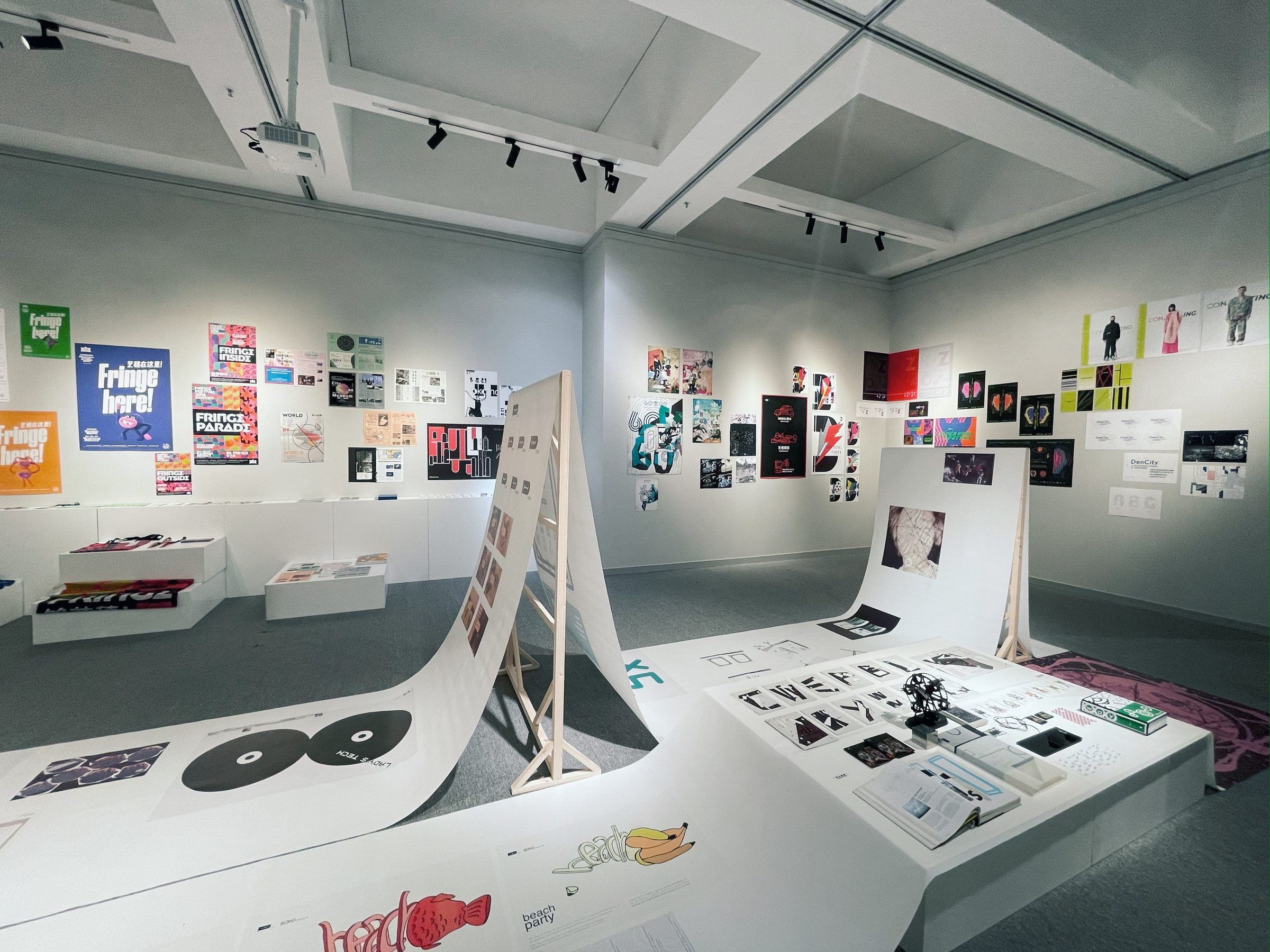
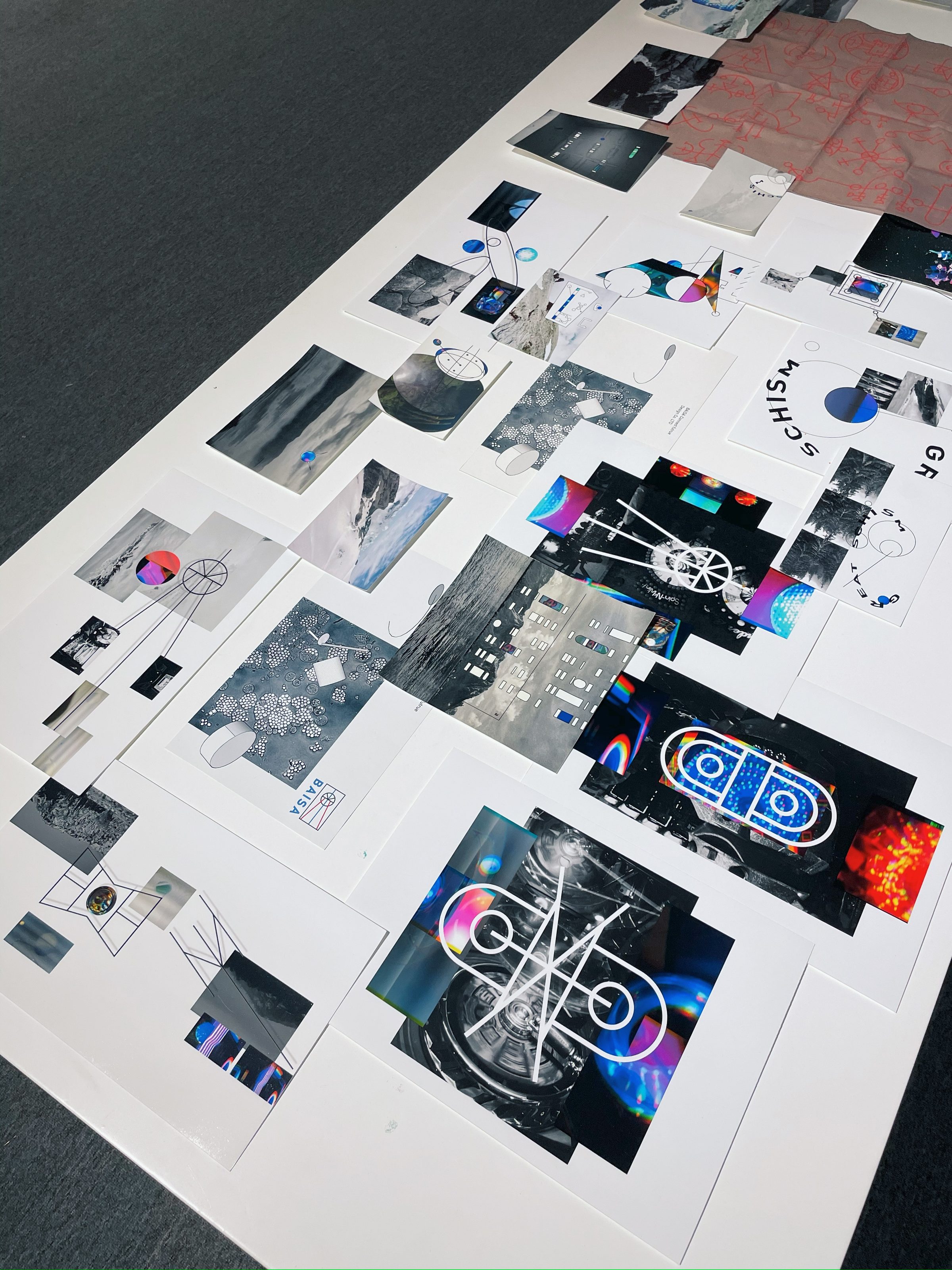
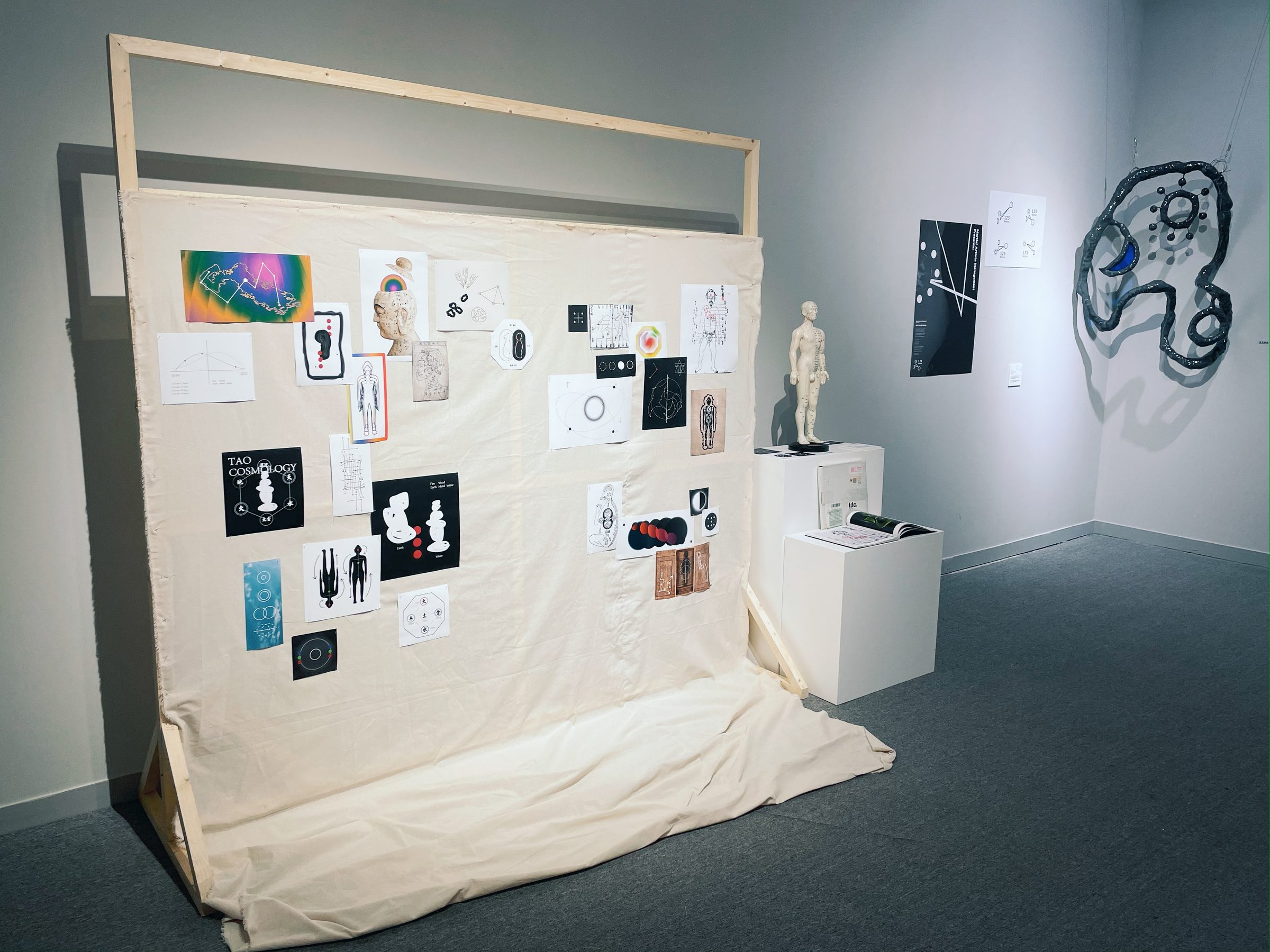
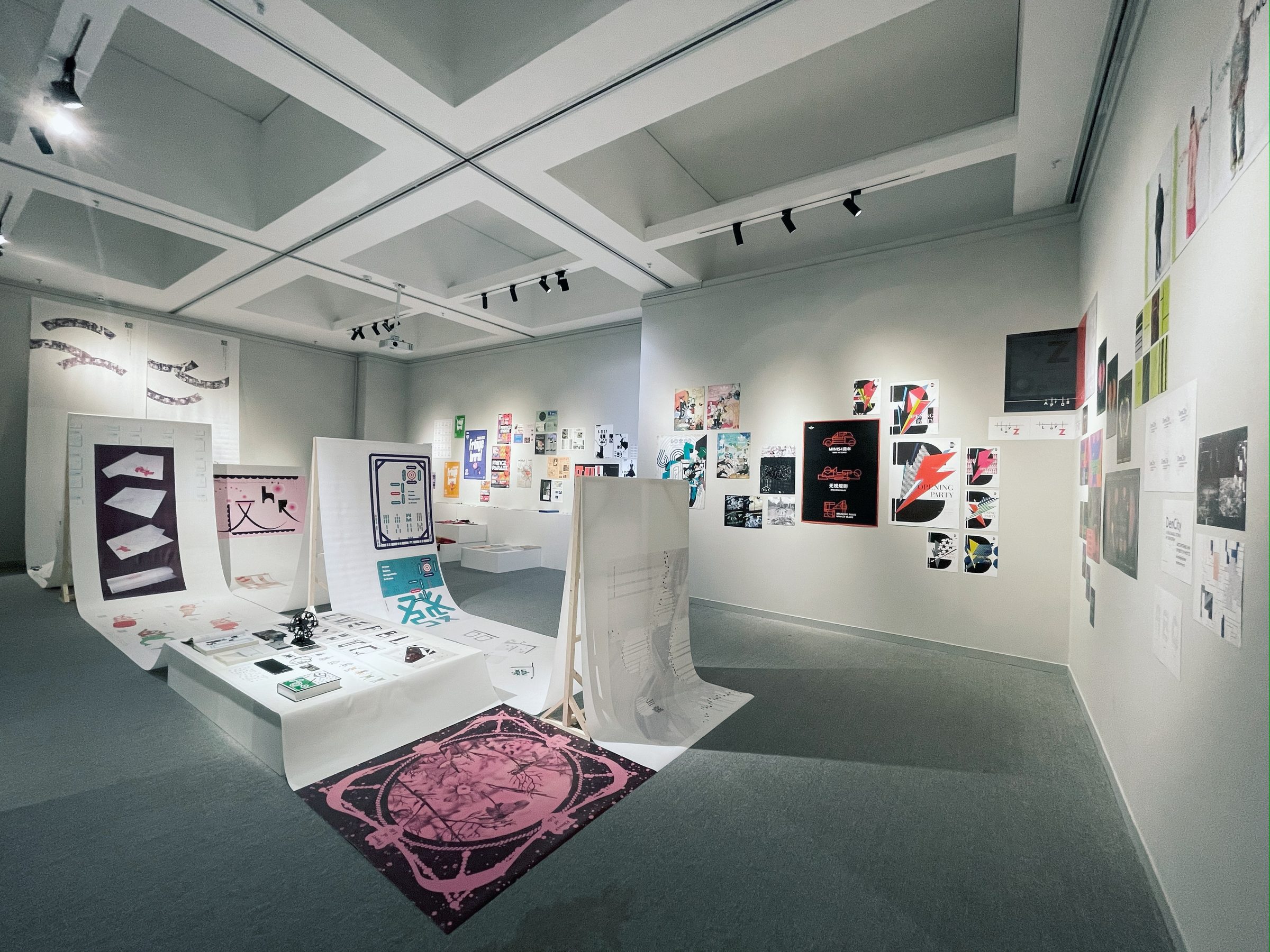
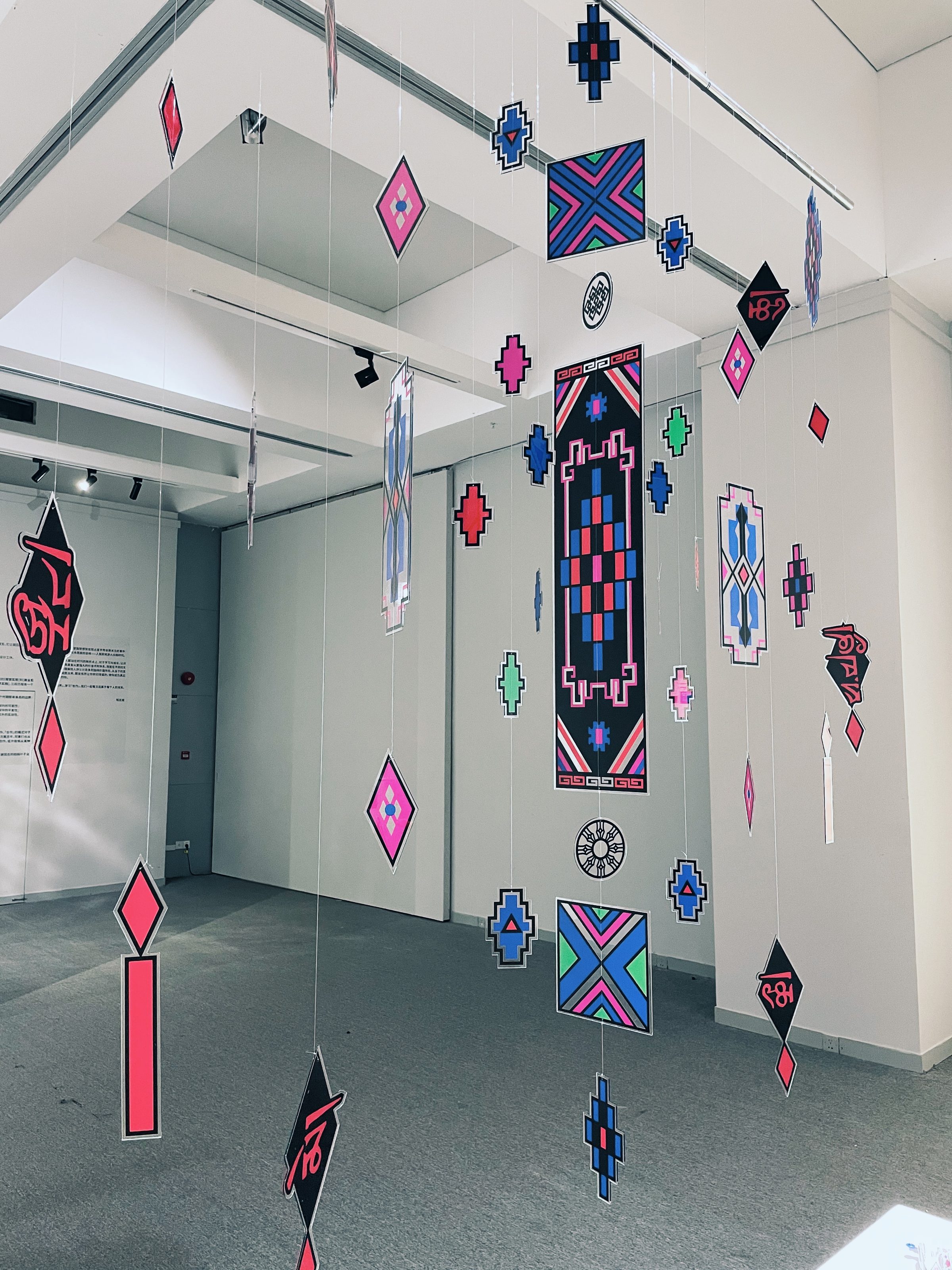
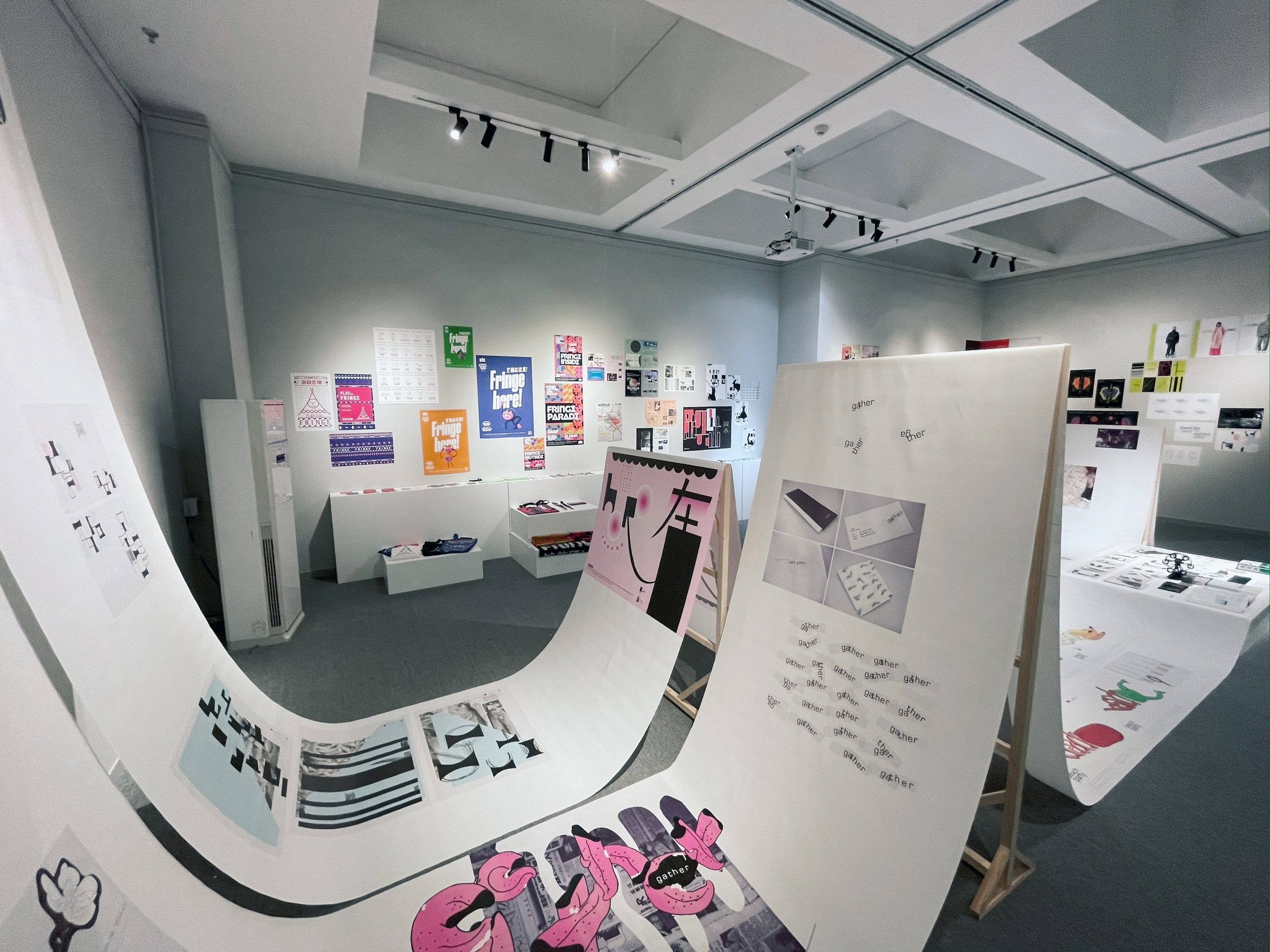
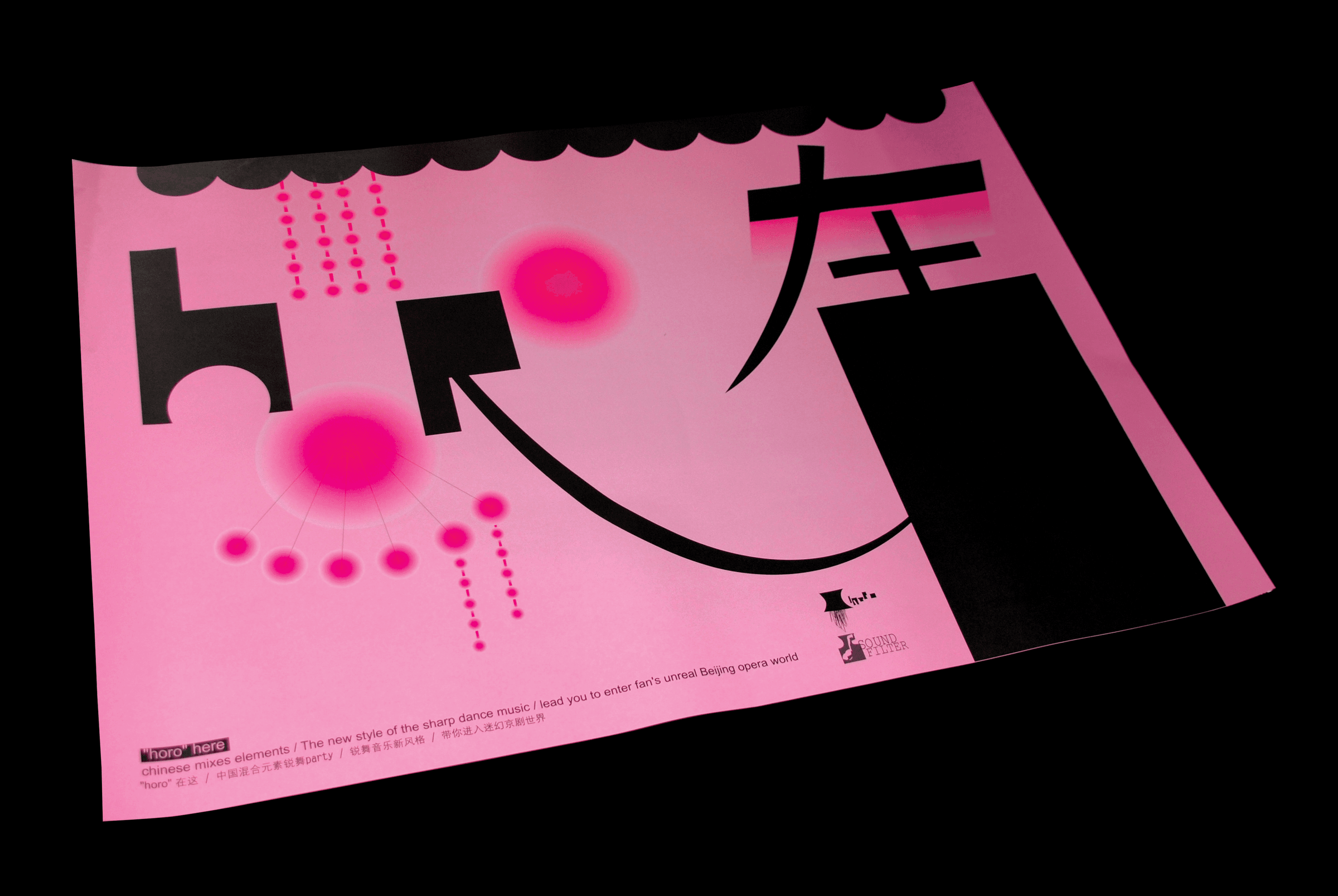
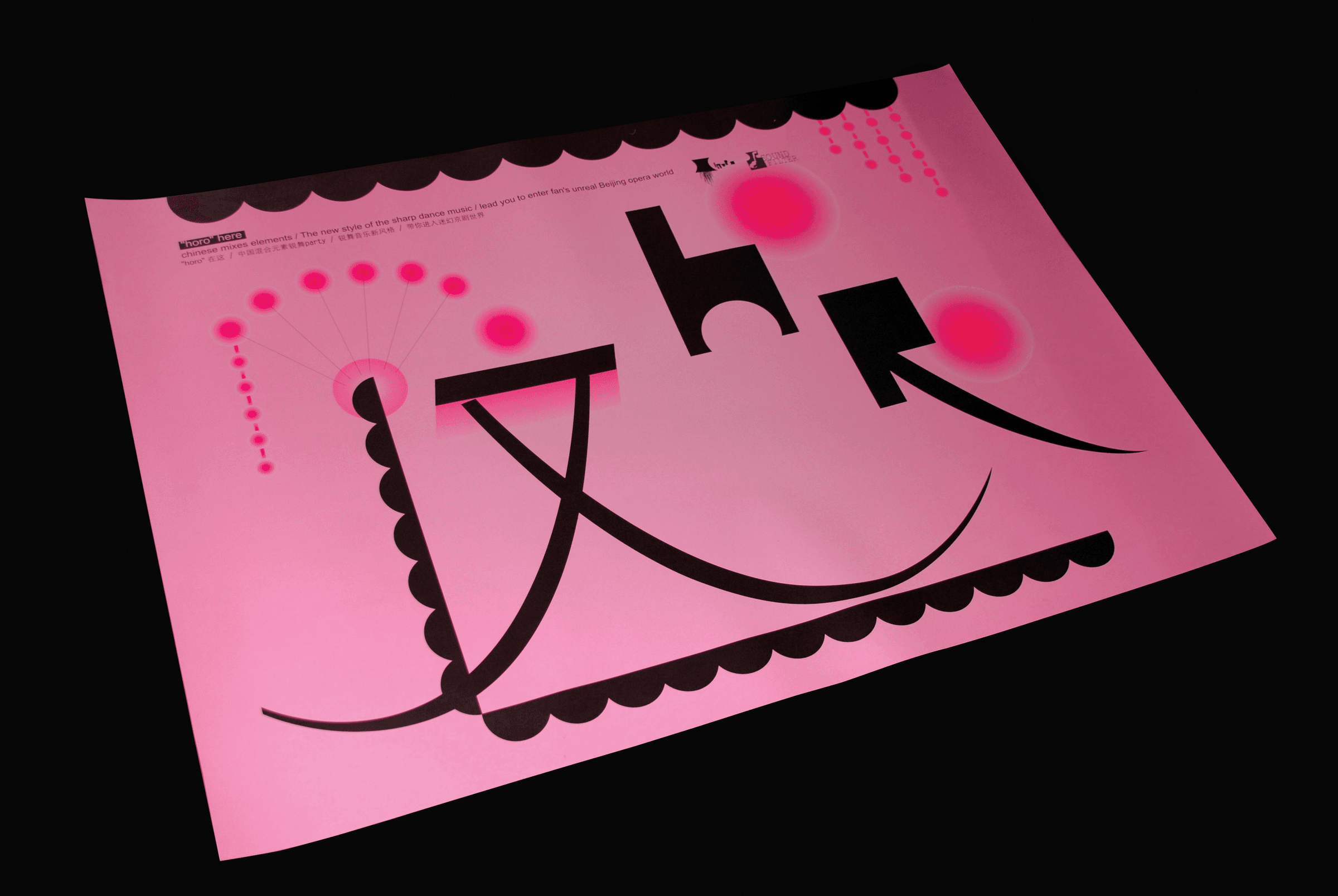
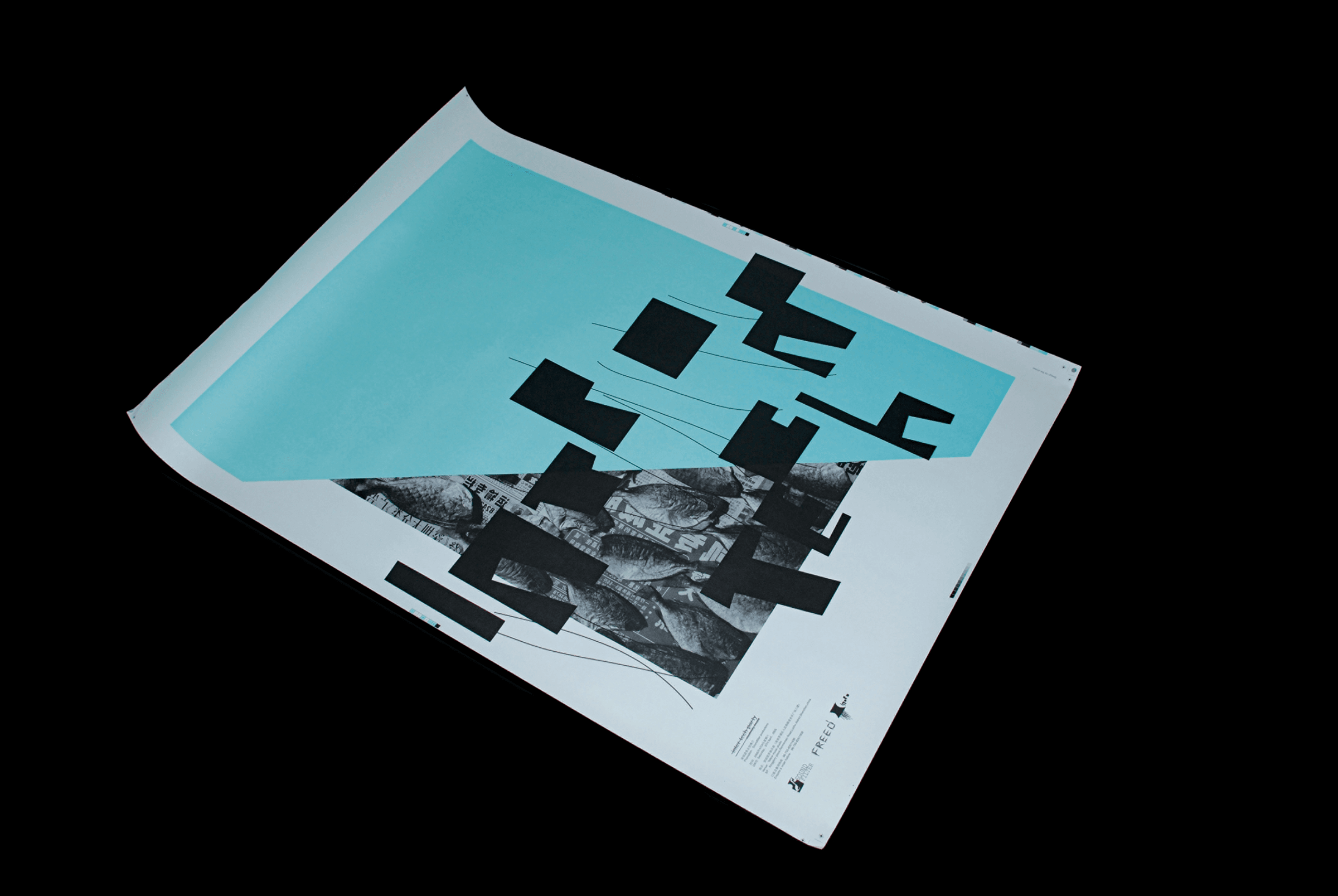
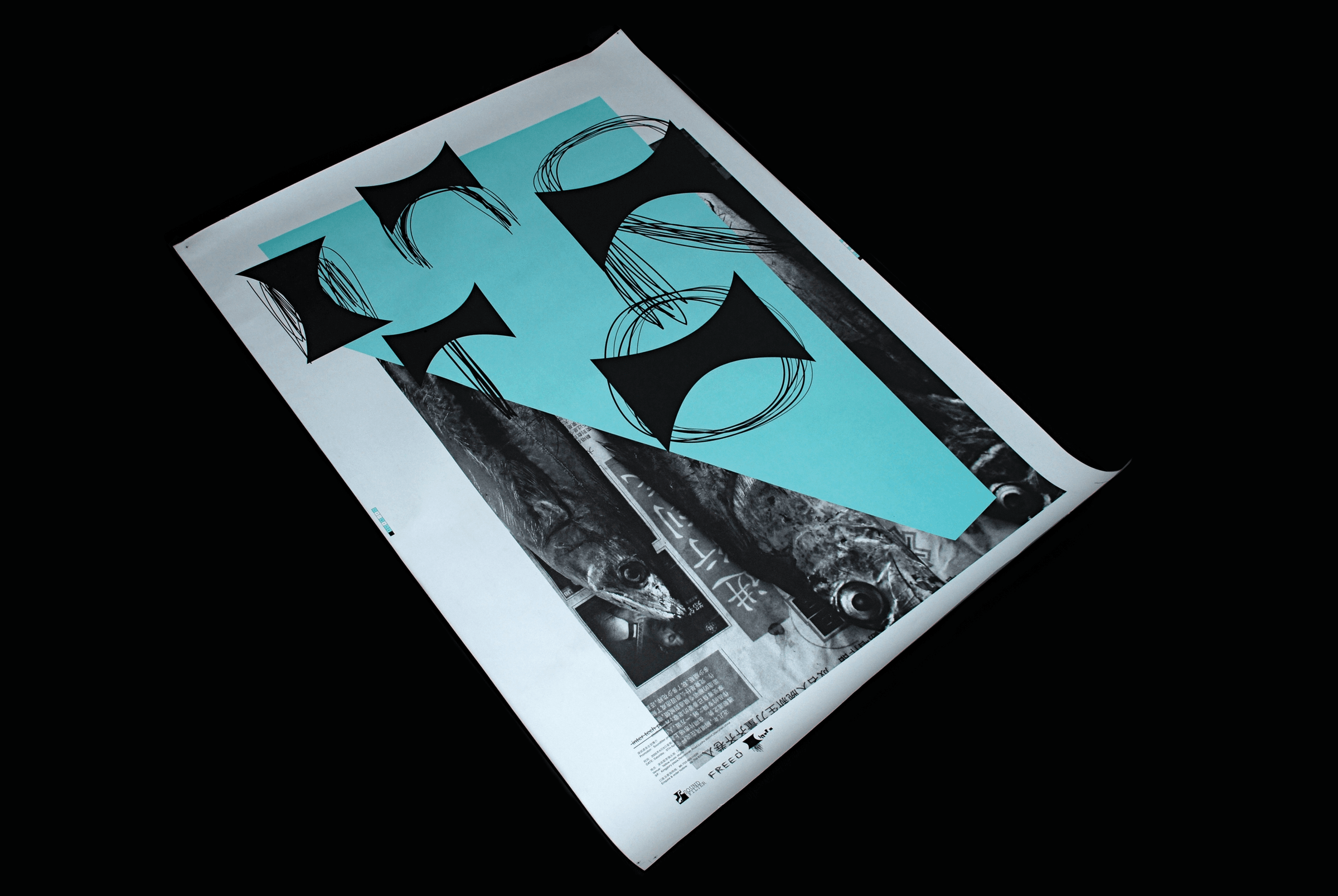
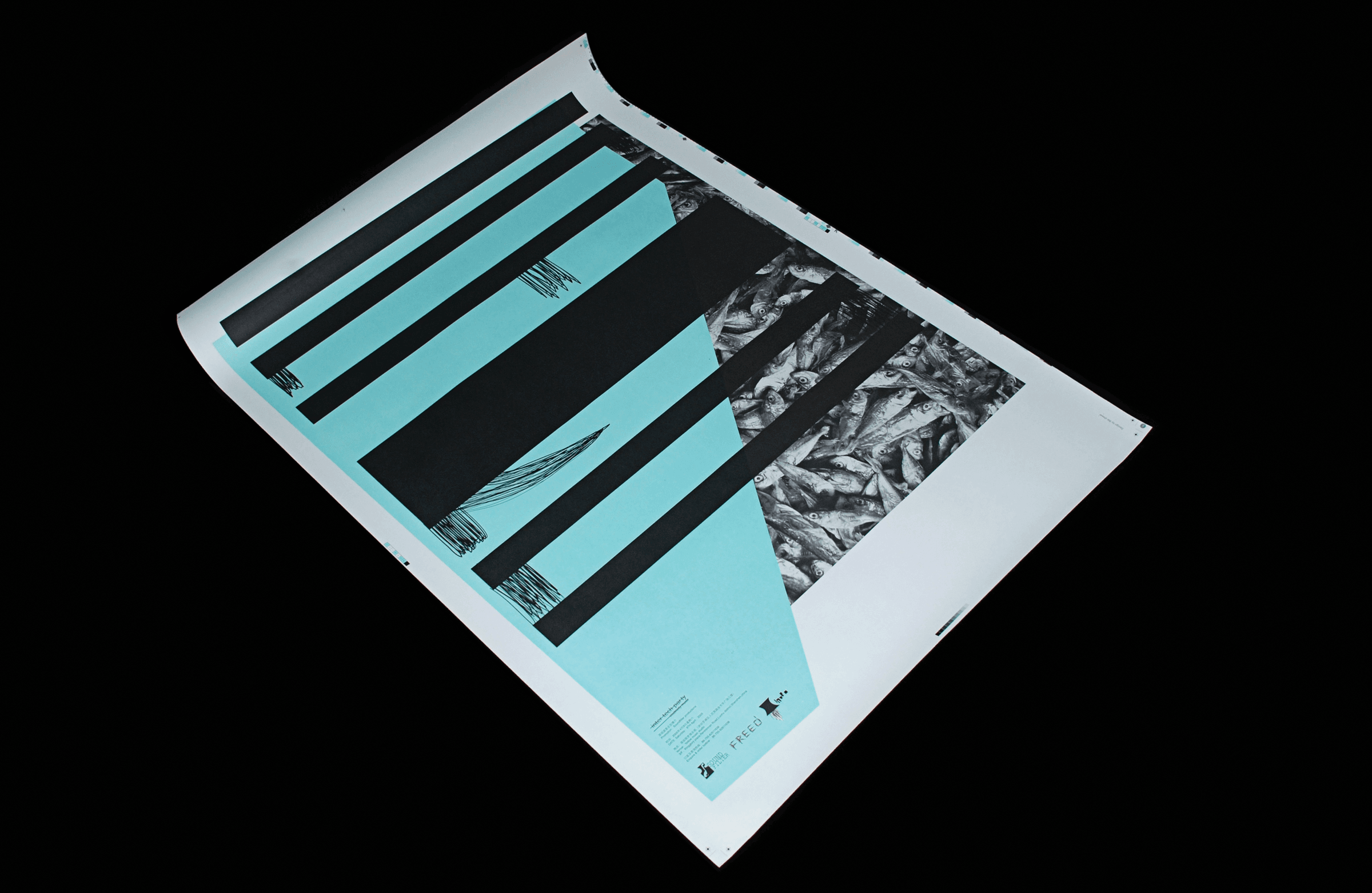
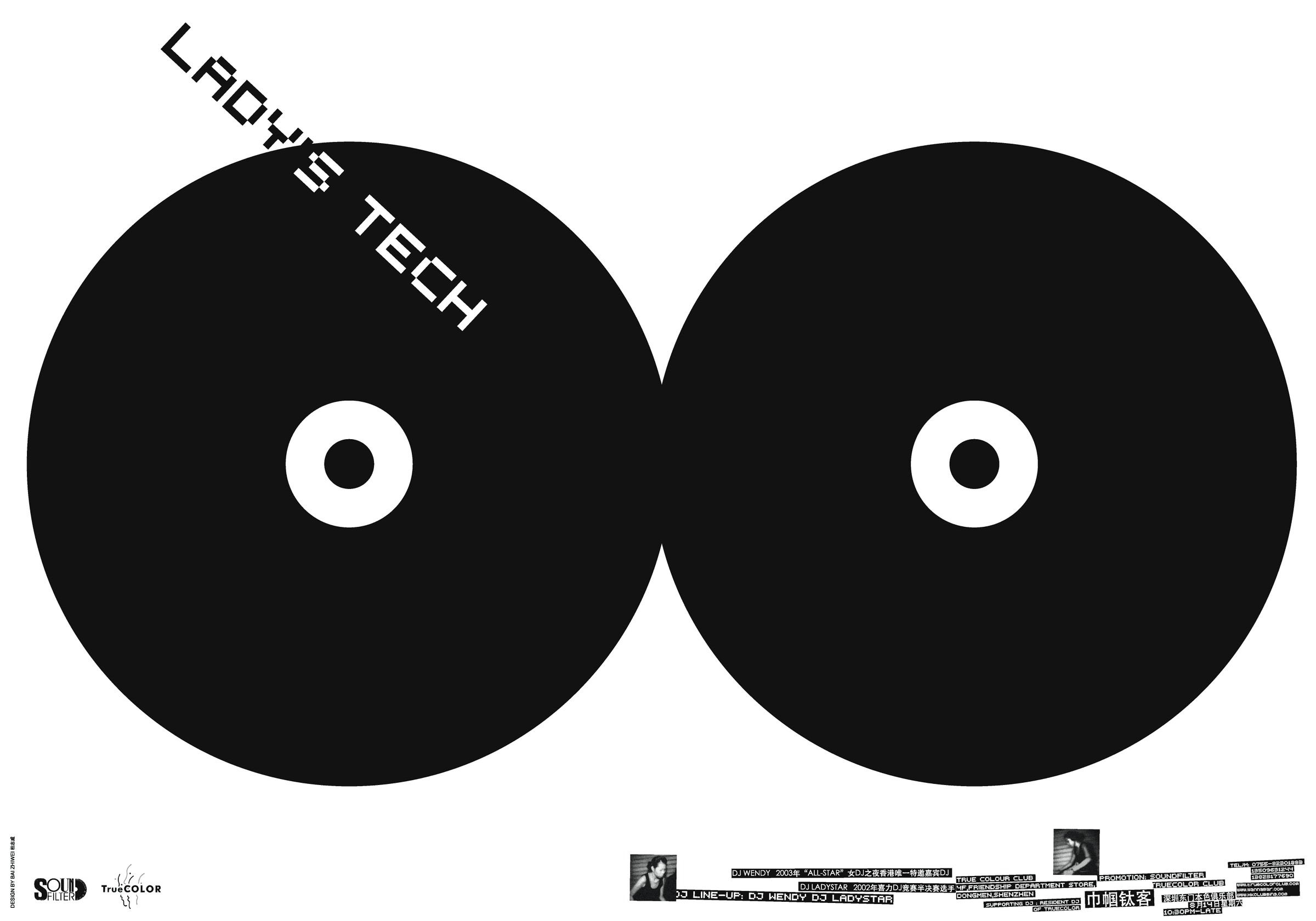
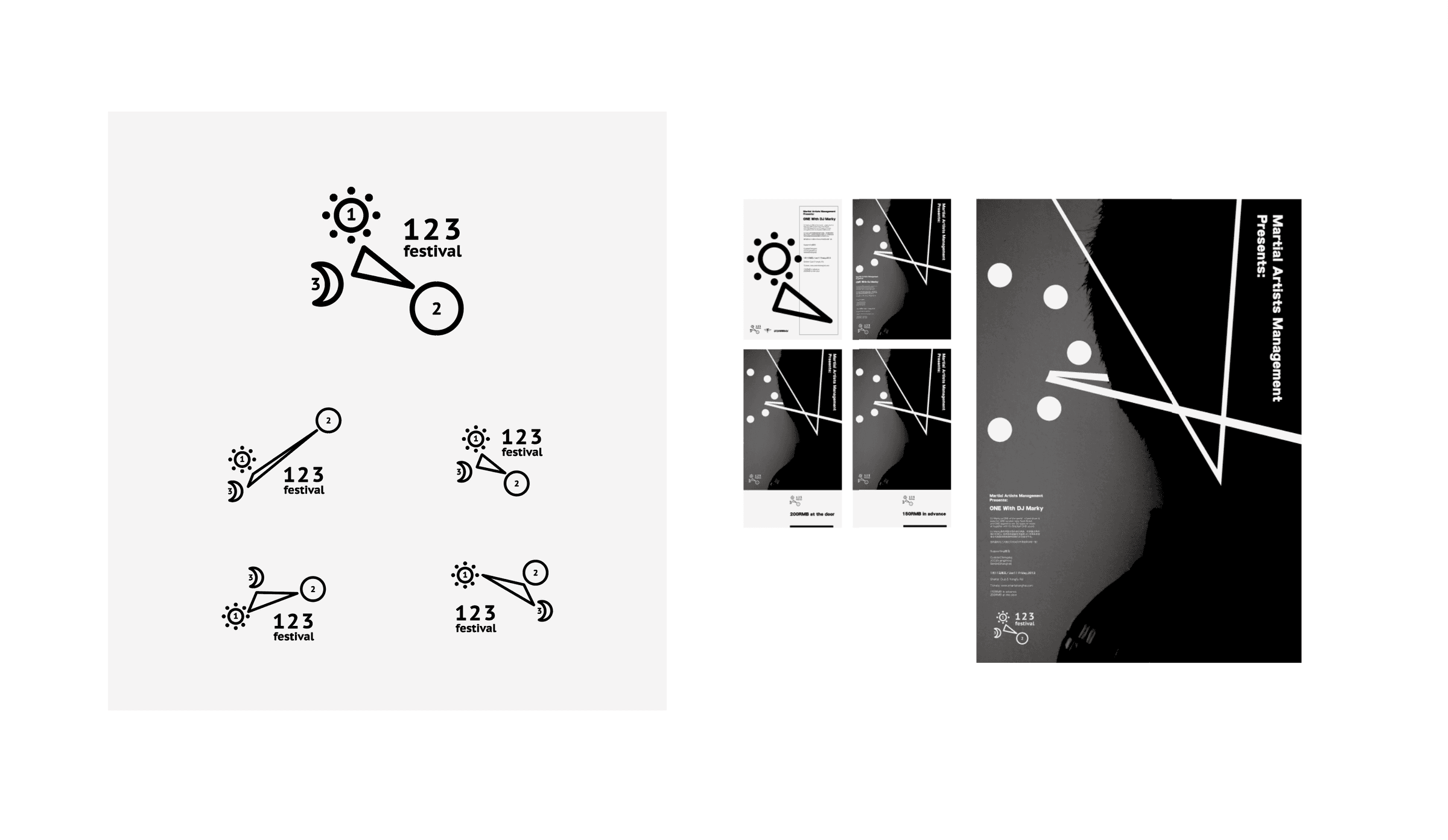
Zhiwei Bai’s entry into graphic design was closely connected to Shenzhen’s underground music and emerging electronic music scene in the early 2000s. As the city’s electronic music culture was beginning to take shape, he participated through concert posters and event visuals, using typography, imagery, colour, and composition to create visual entry points for sounds yet to occur. These works functioned both as instruments of communication and as visual records of an emerging music scene. Bringing together designs from different periods, this 2020 solo exhibition revealed the continuity between Bai’s work as a graphic designer, his position as a participant in and witness to Shenzhen’s early electronic music culture, and his later practice across sound and other media.
/FULL_PROJECT_TEXT
Zhiwei Bai’s entry into graphic design did not begin with conventional commercial commissions, but through Shenzhen’s underground music scene in the early 2000s. At the time, electronic music culture in the city was still taking shape, and networks between performers, venues, and audiences were only beginning to emerge. Posters and event visuals needed not only to communicate dates, locations, and line-ups, but also to give image, atmosphere, and cultural identity to sounds that were not yet widely recognized.
Bai did not approach this music scene from outside as a designer providing visual packaging. Through graphic design, he participated directly in its formation. Typography, imagery, colour, and composition anticipated the rhythm and intensity of live events, while the printing, posting, and circulation of posters connected otherwise dispersed musicians, venues, and audiences. Created for specific performances, these works also became a visual archive of Shenzhen’s early electronic music culture.
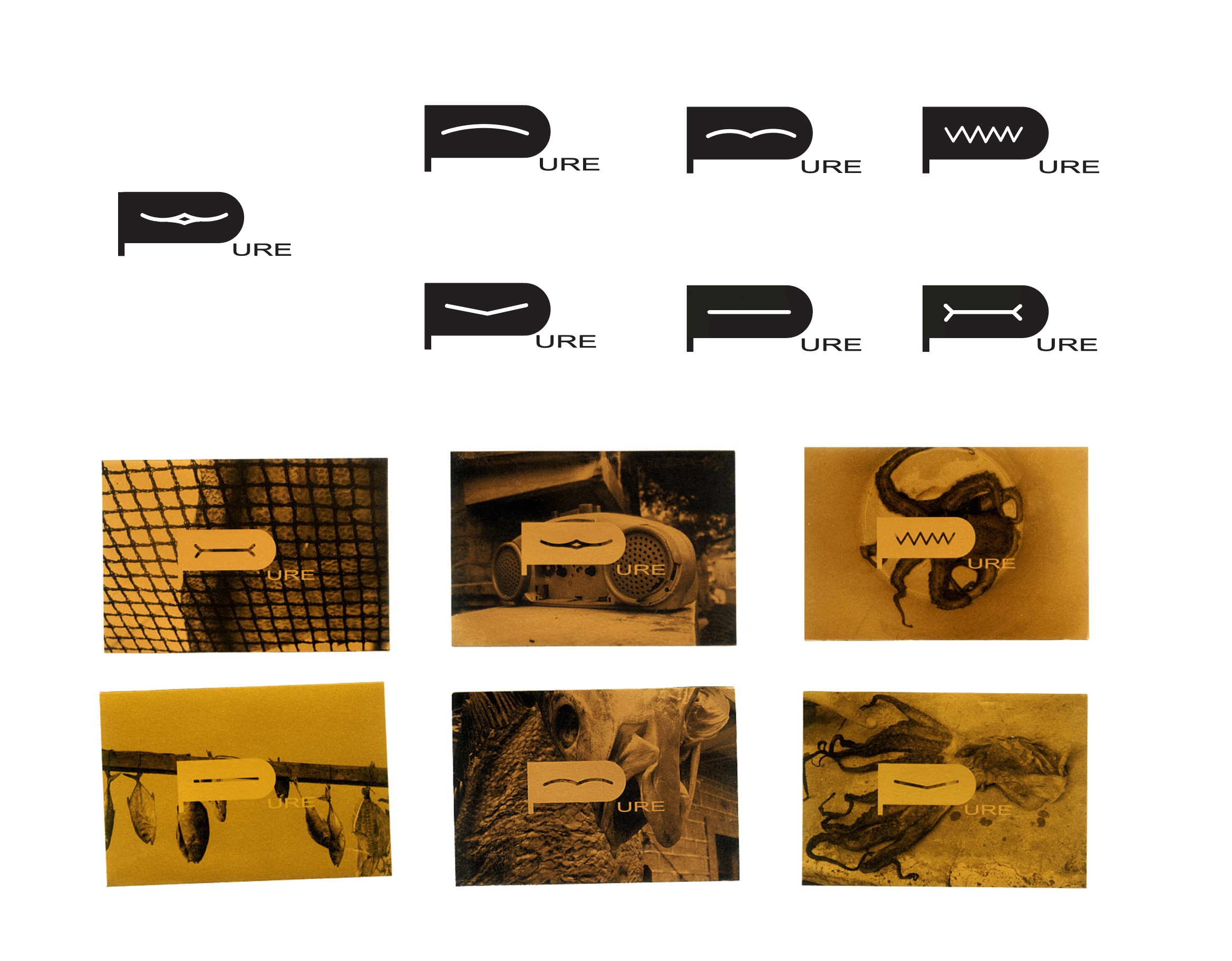
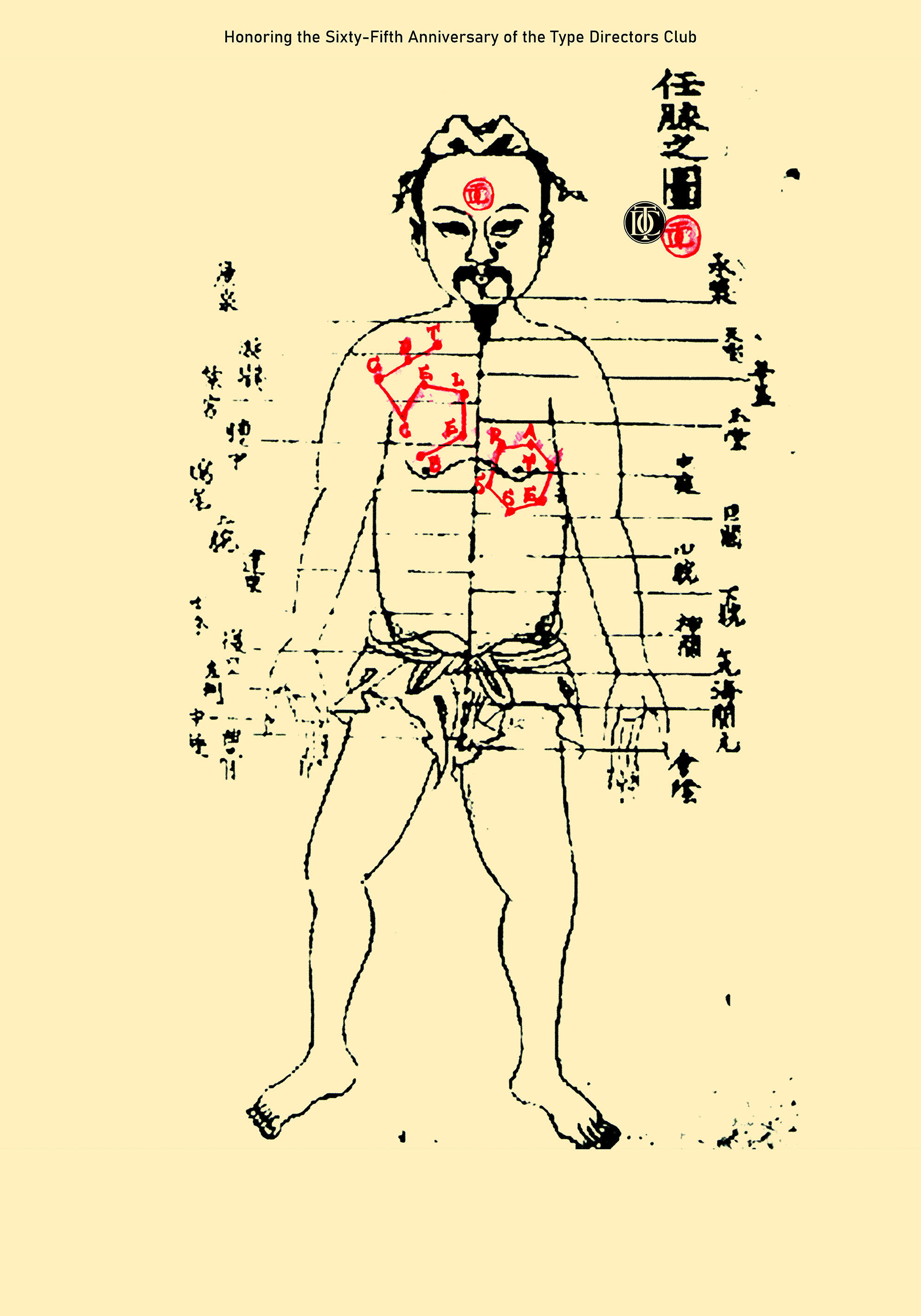
This experience shaped Bai’s early understanding of rhythm, symbols, repetition, information hierarchies, and visual systems. His practice later expanded from static graphics into moving image, sound, generative systems, and live performance. Sounds that had once needed to be imagined and gathered through posters became a direct artistic medium. Graphic rhythm entered duration, while the relationships between place and audience previously organized through event communication developed into embodied experiences within space.
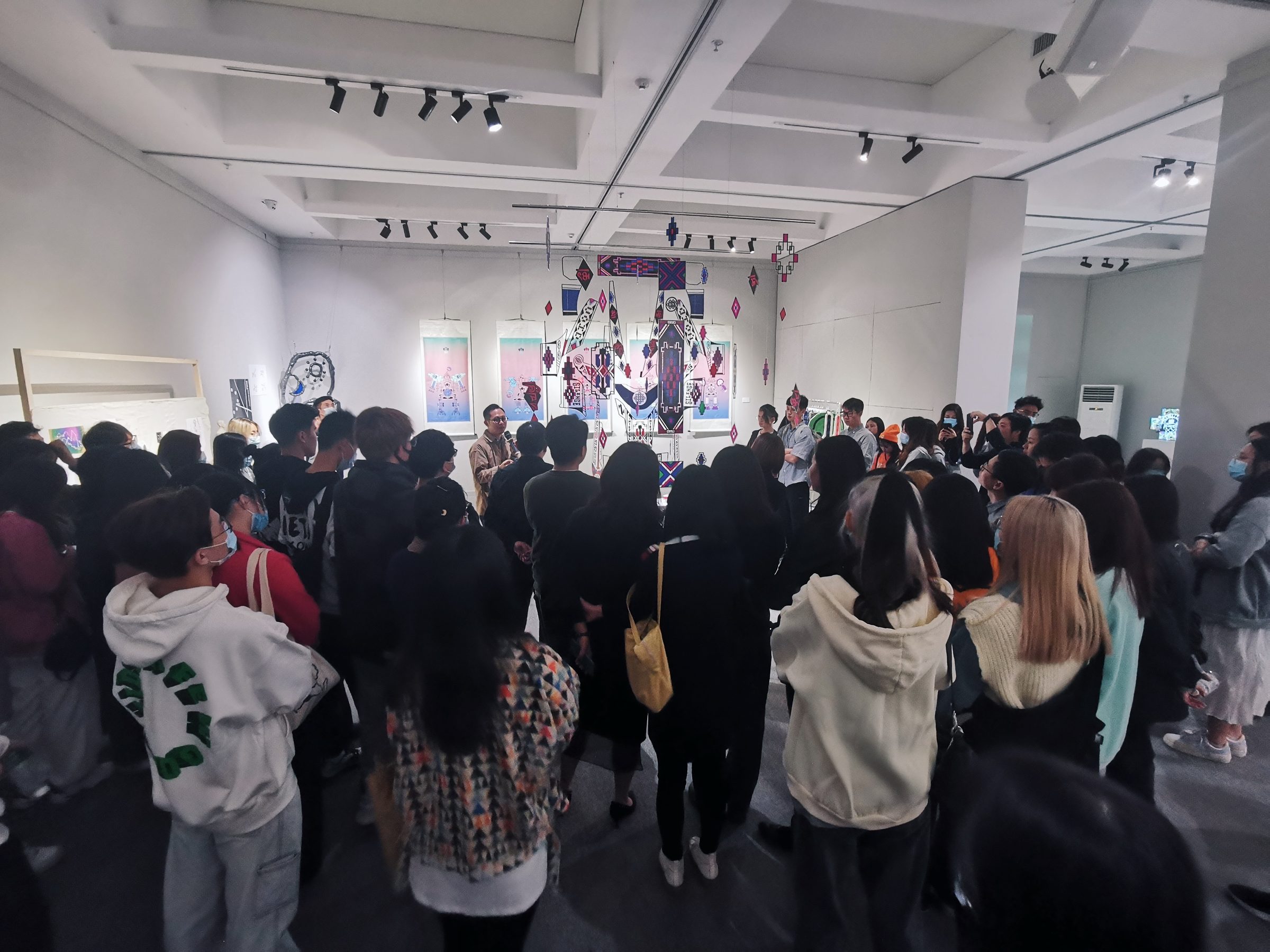
The 2020 solo exhibition therefore functioned not only as a review of Bai’s design practice, but also as a reconsideration of the relationship between graphic design and Shenzhen’s early electronic music scene. By bringing together his roles as visual designer, cultural participant, and sound practitioner, the exhibition revealed a continuous trajectory: from creating visual entry points for sound to working directly within sound, time, and live situations.
/OVERVIEW
柏志威进入平面设计的起点,与2000年代初深圳地下音乐和电子音乐现场密切相关。在本地电子音乐文化尚处于早期形成阶段时,他通过演出海报与活动视觉参与其中,以字体、图像、色彩和版面为尚未发生的声音建立视觉入口。这些作品既是演出信息的传播媒介,也是一个新兴音乐现场留下的视觉记录。2020年的这次个展重新汇集不同时期的设计实践,使柏志威作为平面设计师、深圳早期电子音乐文化的参与者与见证者,以及后来声音与跨媒介艺术实践者之间的连续关系重新显现。
/FULL_PROJECT_TEXT
柏志威最早进入平面设计,并非从传统的商业设计委托开始,而是源于2000年代初深圳的地下音乐演出现场。当时,电子音乐文化在深圳仍处于早期形成阶段,演出、场地、音乐人与观众之间的网络正在逐渐建立。海报和活动视觉不仅需要传递时间、地点与演出信息,也需要为一种尚未被广泛认识的声音建立形象、气氛与文化身份。
在这一过程中,柏志威并不是站在音乐现场之外为其提供视觉包装,而是通过平面设计直接参与现场的形成。字体、图像、色彩与版面被用于预示音乐的节奏和强度,海报的印刷、张贴与流通则把分散的音乐人、场所和观众连接起来。这些设计既属于具体的演出,也成为深圳早期电子音乐文化发展过程中留下的视觉档案。
这段经历形成了柏志威对节奏、符号、重复、信息层级和视觉系统的早期认识。后来,他的实践逐渐从静态平面进入动态图像、声音、生成系统与现场表演。曾经需要通过海报被想象和召集的声音,开始直接成为创作媒介;平面中的节奏进入时间,活动视觉所连接的场所与观众,则进一步转化为空间中的身体经验。
2020年的这次个展因此不仅是对设计作品的阶段性回顾,也重新呈现了平面设计与深圳早期电子音乐现场之间的关系。展览使艺术家作为视觉设计者、音乐文化参与者和声音实践者的不同阶段并置在一起,显示出一条持续发展的路径:从为声音建立视觉入口,到直接进入声音、时间与现场本身。