ARTIST_COLLABORATIONS
艺术家合作
/PROJECT_INFO
/OVERVIEW
Artist Collaborations brings together Bai’s cross-disciplinary projects with MINI, Saucony, CASIO, and Tamiya. His symbolic system is reconfigured across automobiles, footwear, watches, and model cars, adapting to different scales, materials, manufacturing processes, and bodily relationships. In the Saucony project, the intervention extends beyond surface graphics into the dismantling and reconstruction of the product itself. These collaborations do not replace Bai’s core artistic practice; they operate as cross-system experiments testing how a visual language changes when it enters standardized production, brand narratives, and everyday consumer environments.
/FULL_PROJECT_TEXT
This group of projects documents the different ways in which Zhiwei Bai has introduced his personal symbolic system into industrial products and commercial modes of production. Developed in collaboration with MINI, Saucony, CASIO, and Tamiya, the projects move his visual language beyond lightboxes, moving images, and exhibition spaces and into functional objects with established structures and channels of circulation.
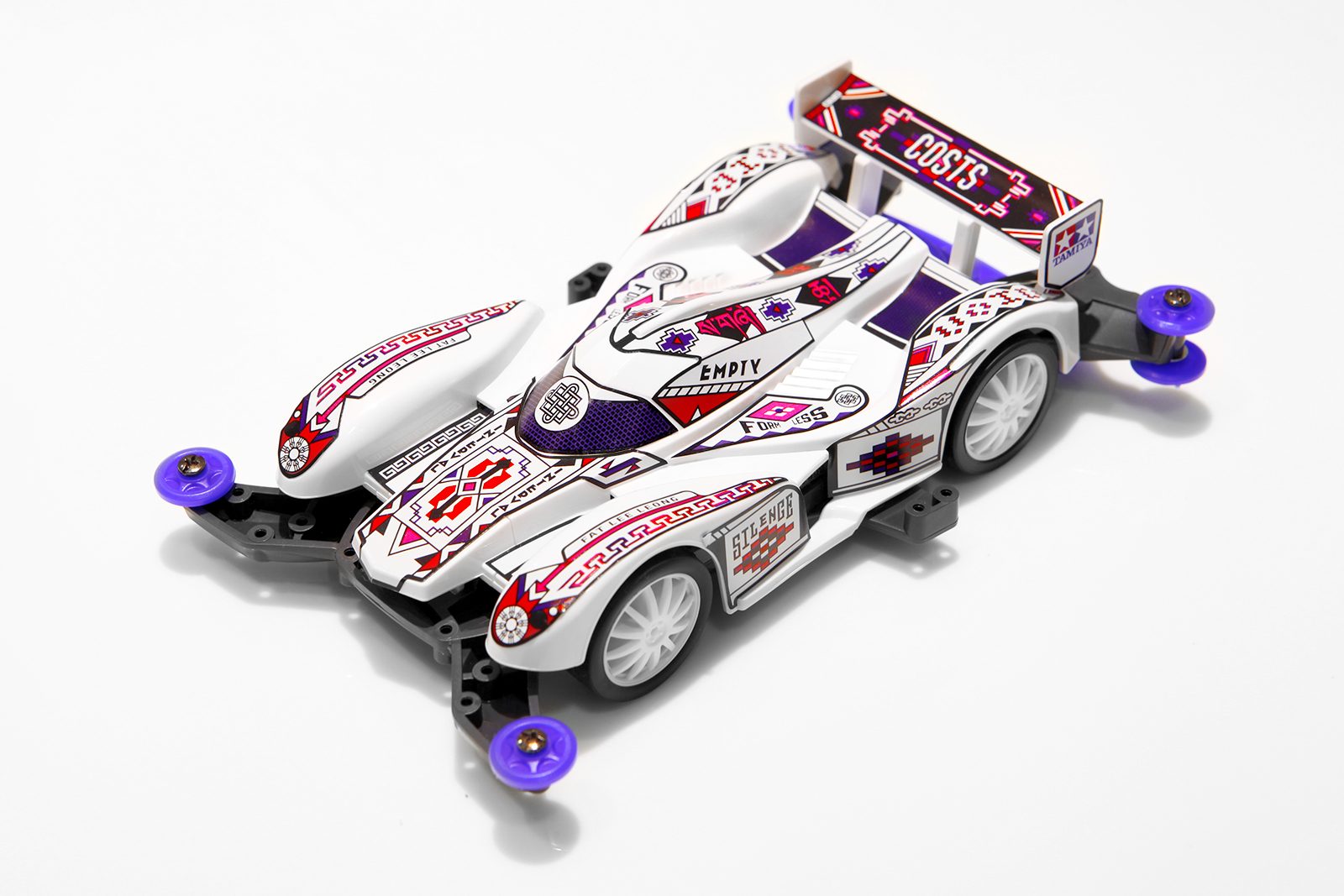
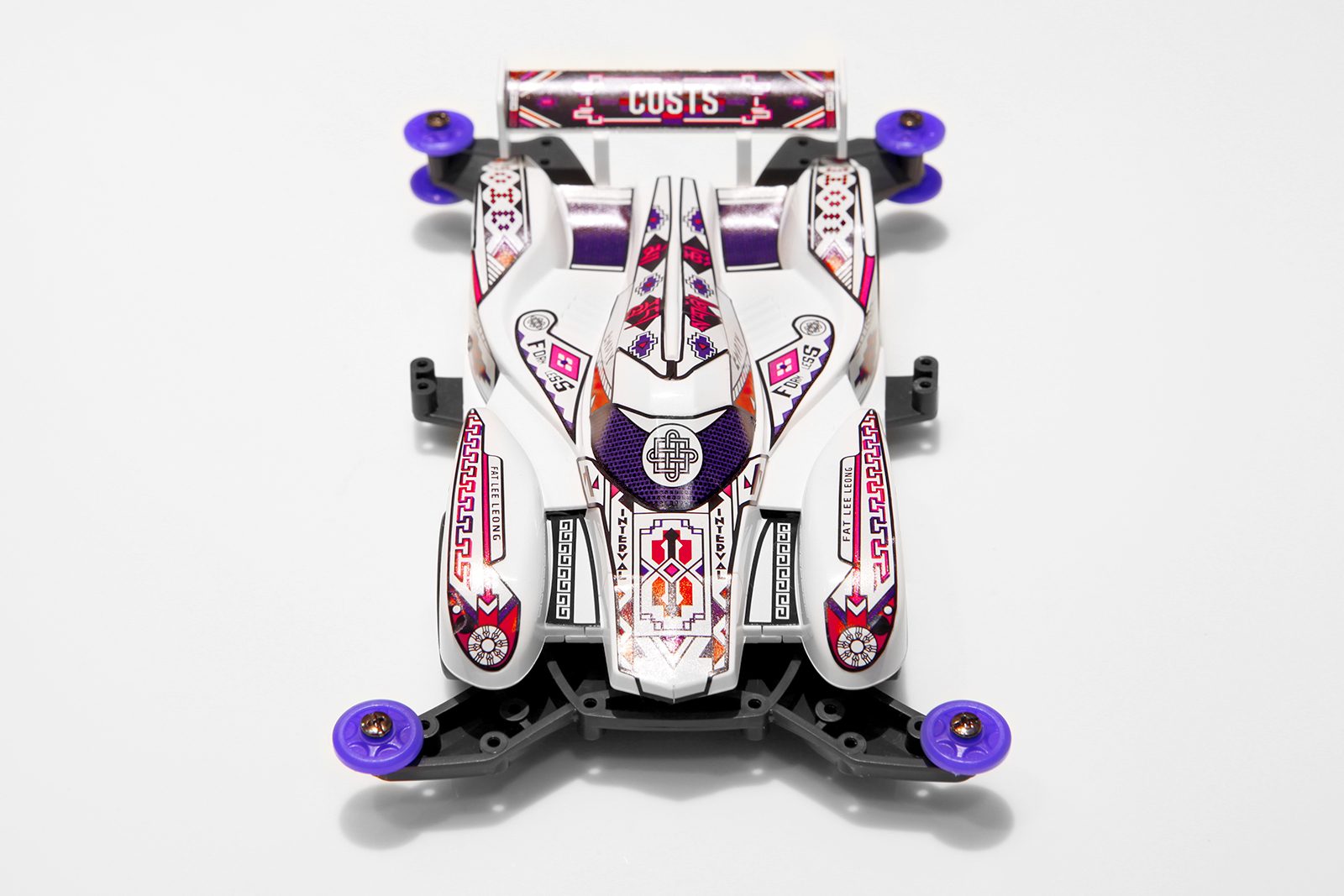
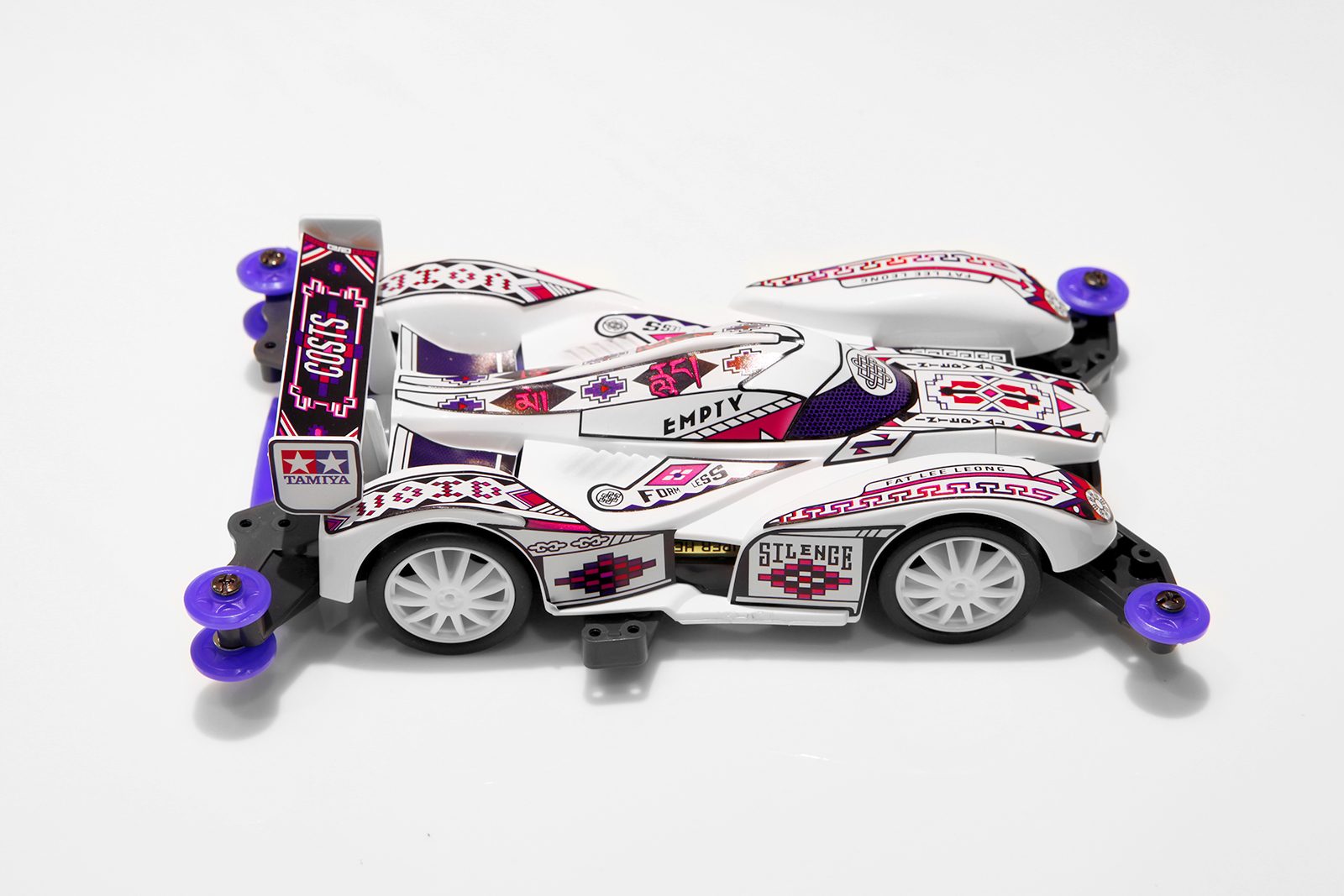
These collaborations extend Bai’s earlier experience in visual communication, but they do not simply apply existing motifs to product surfaces. Each object requires the symbolic language to respond to a different scale, material, manufacturing process, and relationship to the body. The surface of a car turns linear graphics into a mobile public interface; a wristwatch compresses them into a miniature structure closely connected to time and the body; and a model racing car brings Tibetan patterns and Bai’s own visual vocabulary into contact with mechanics, speed, and model culture.
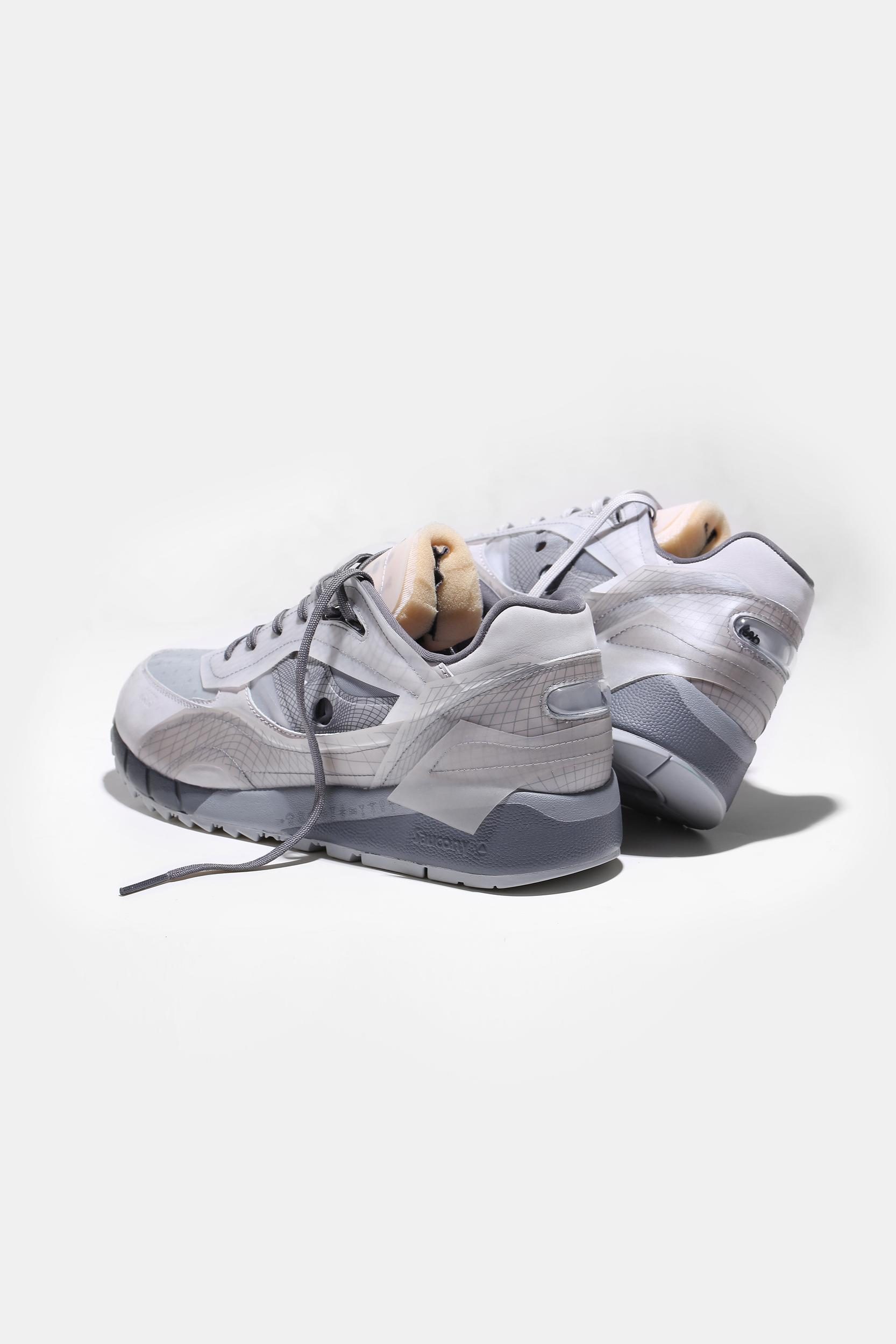
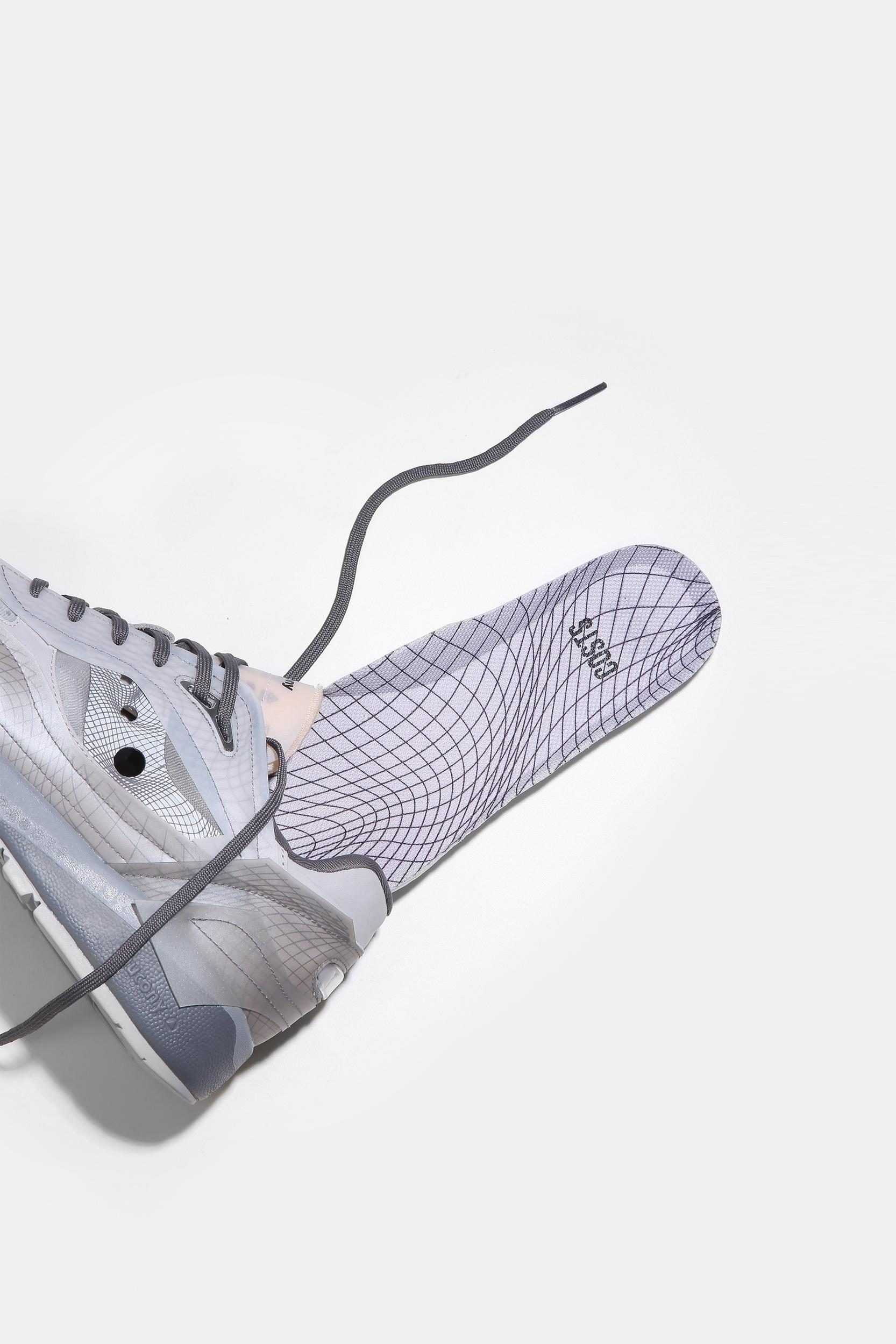
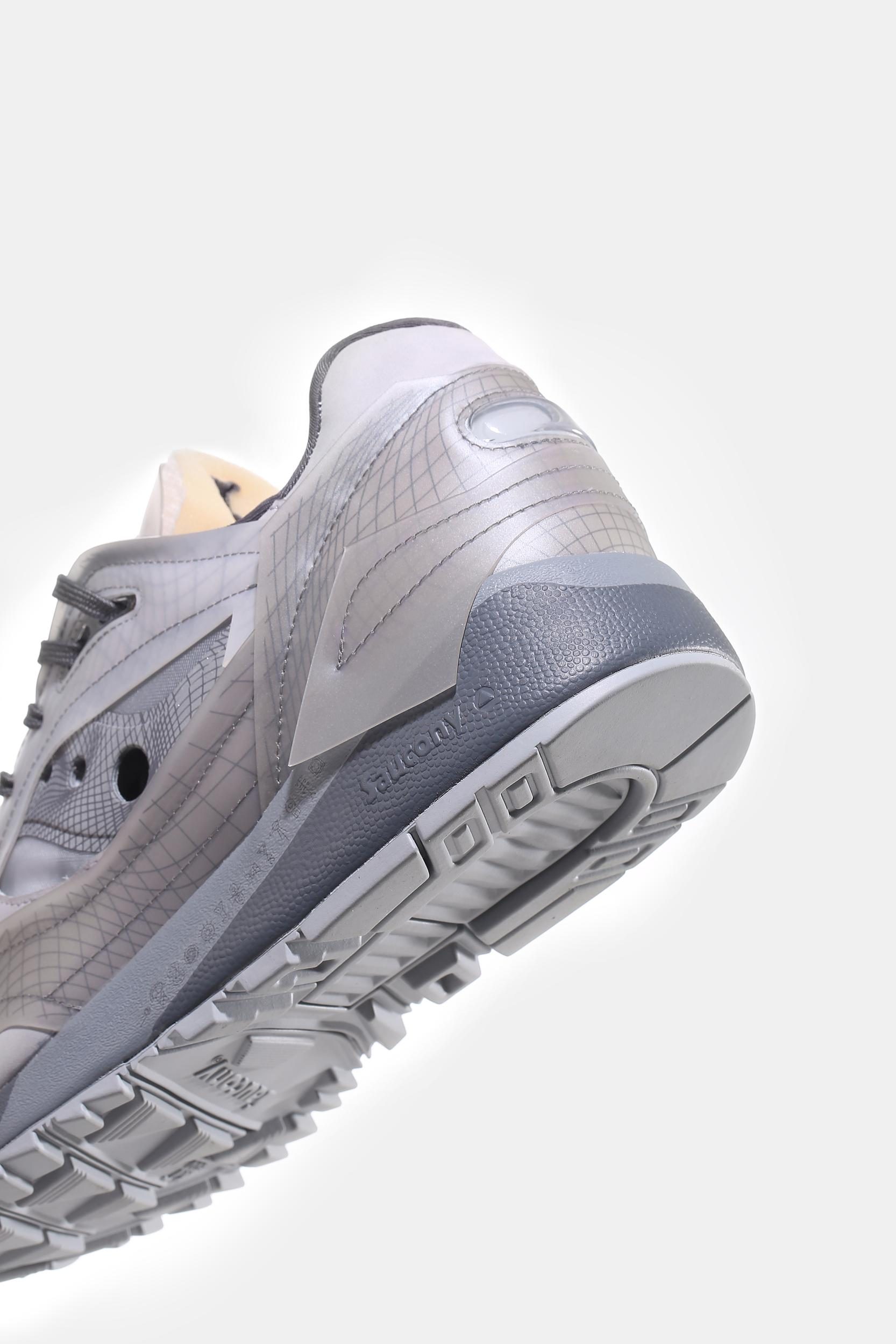
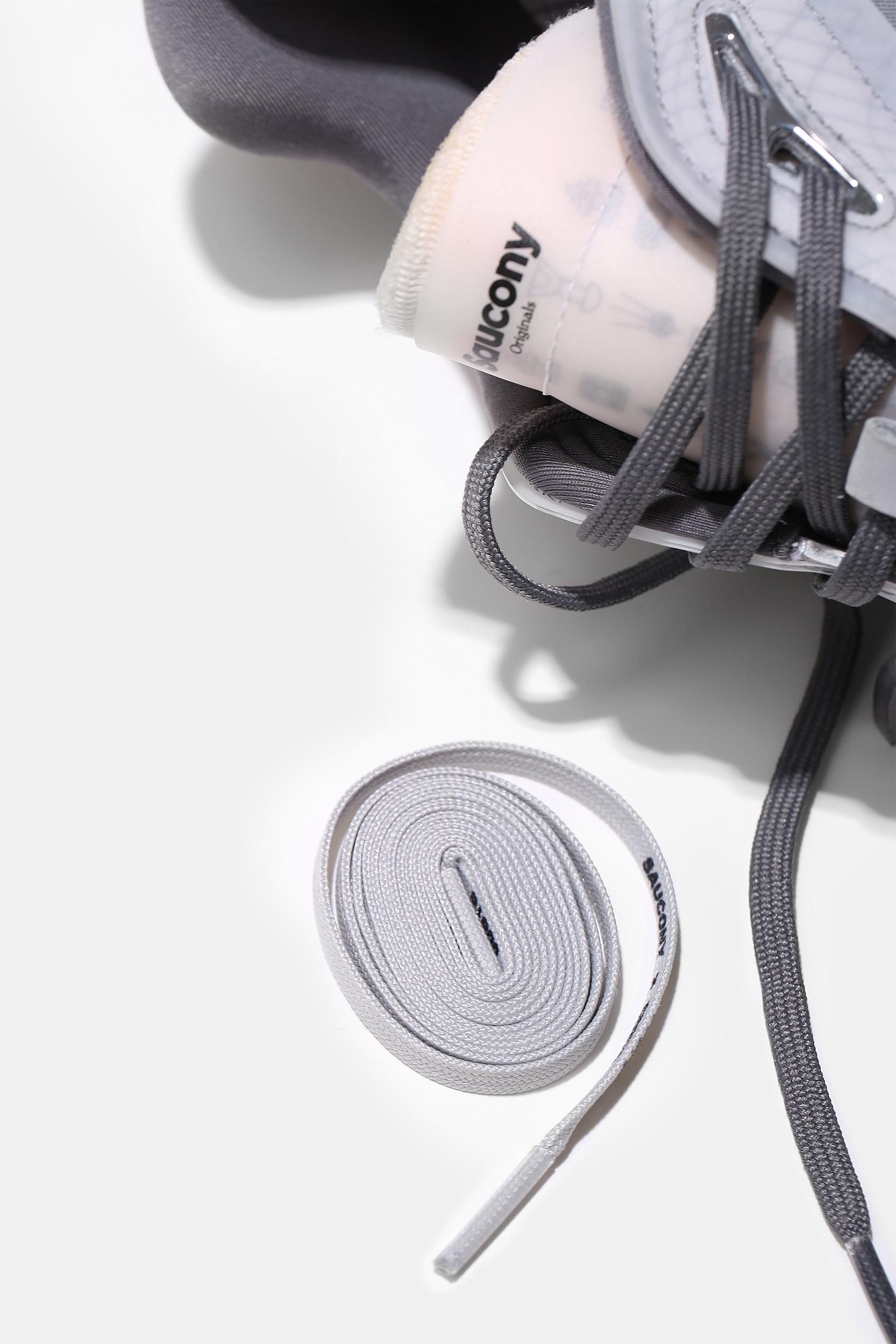
For the Saucony collaboration, Bai went further by dismantling an existing pair of shoes and recombining its parts into a new configuration. The transfer of symbols therefore took place not only across the surface but within the structure of the object itself. The original product remained recognizable while departing from its standardized form through disassembly, displacement, and reconstruction.
These collaborations are neither equivalent to Bai’s central installations and sound works nor commercial activities entirely separate from his artistic practice. They operate as experiments across systems, observing how a language derived from diagrams, mysticism, and personal visual experience changes scale, structure, and use when it enters standardized production, brand narratives, and consumer environments.
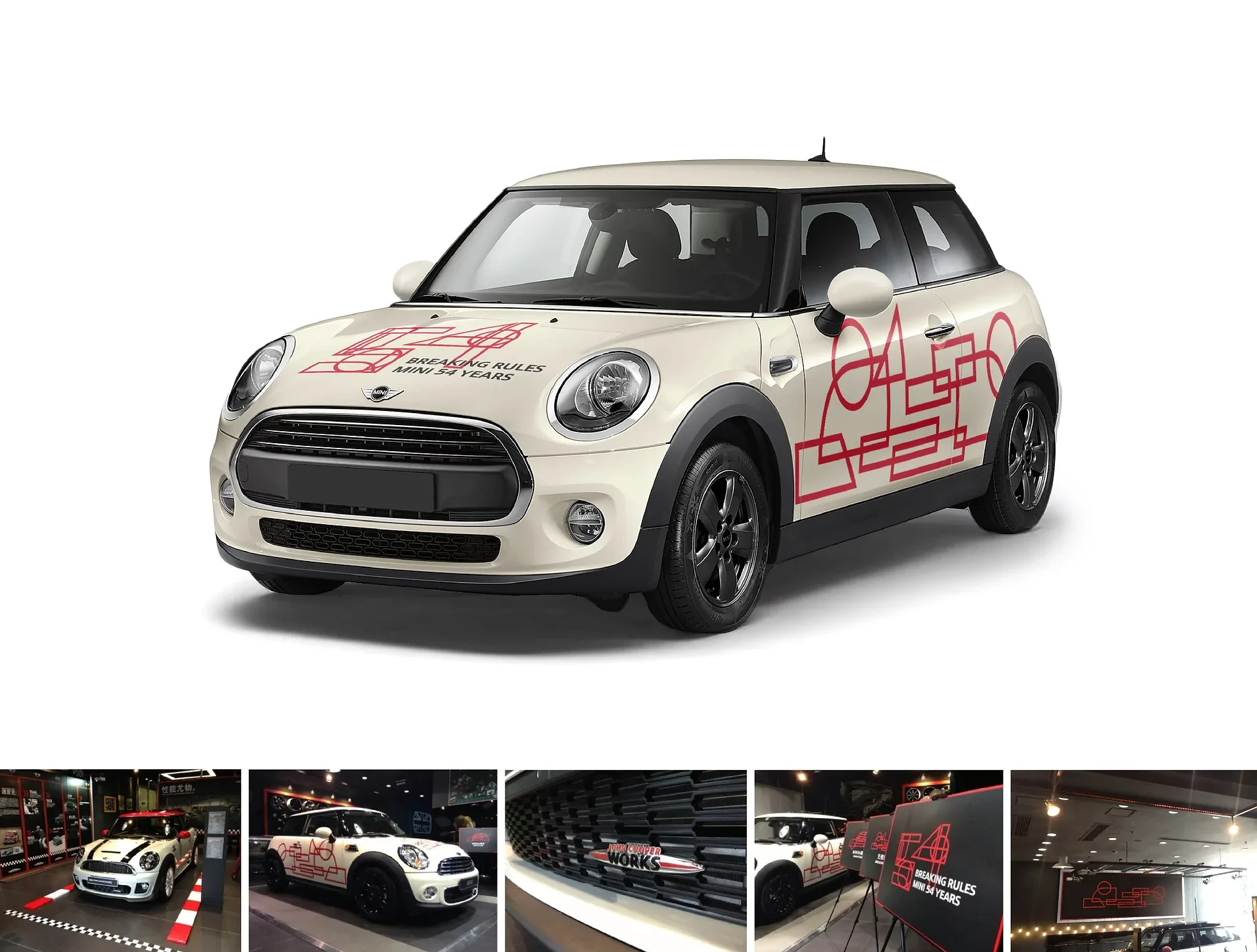
MINI 54th Anniversary Limited-Edition Vehicle Bai reorganized his symbolic language across the surface of the vehicle, allowing linear forms to extend over the bonnet, doors, and contours of the body. The car becomes both an image carrier and a means through which the symbols enter urban movement and public visibility.
Saucony Footwear Collaboration The artist dismantled an existing pair of shoes and reconfigured its components into a form that departs from standardized footwear construction. Graphic language, material, and product structure are transformed together through disassembly and recomposition.
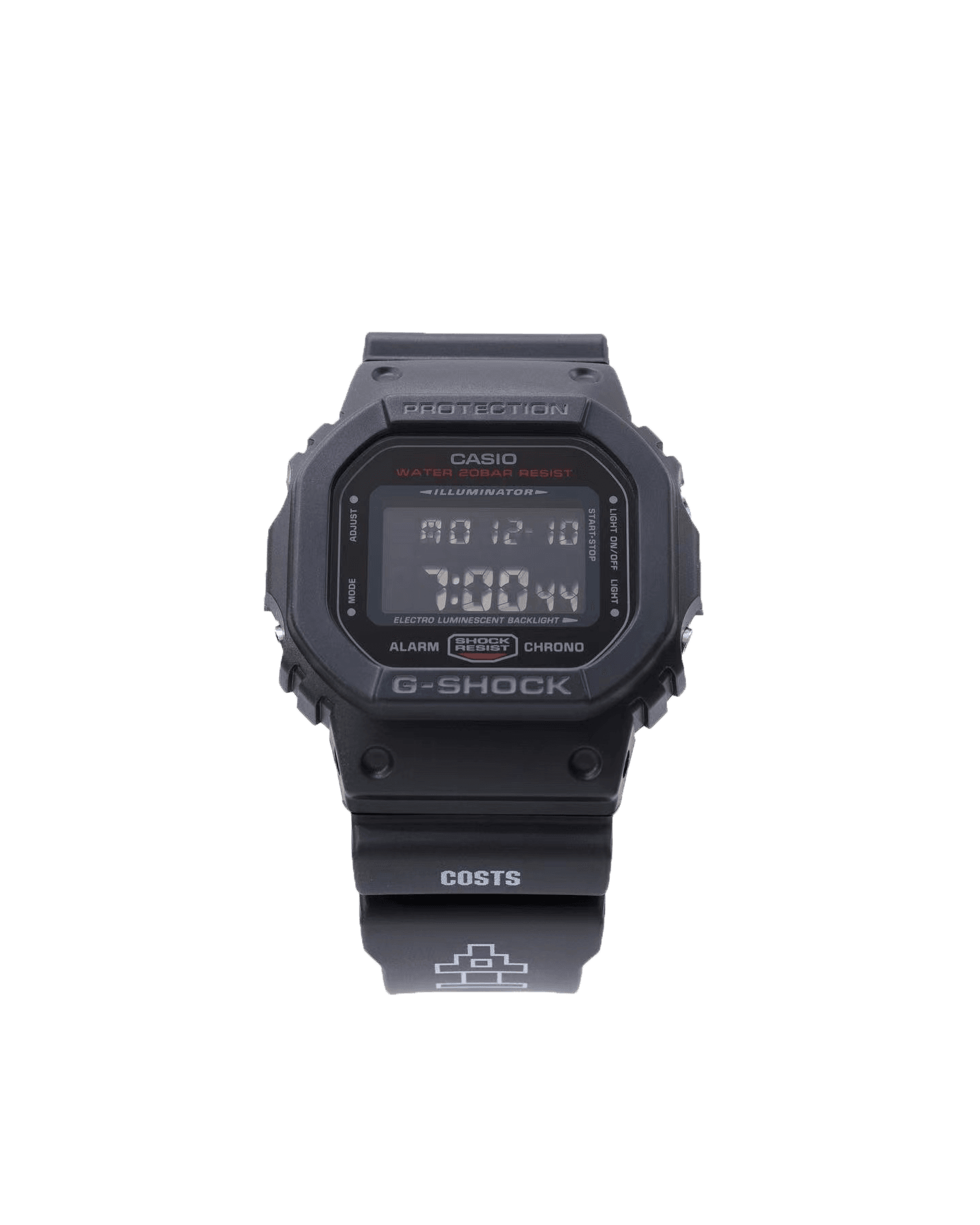
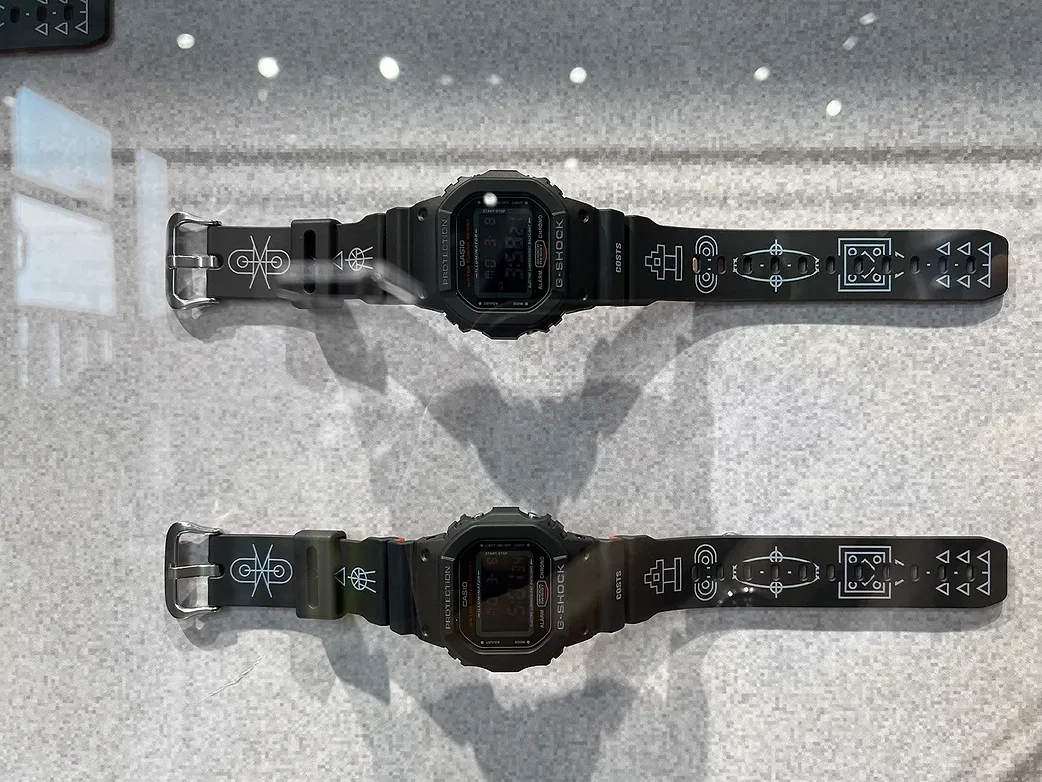
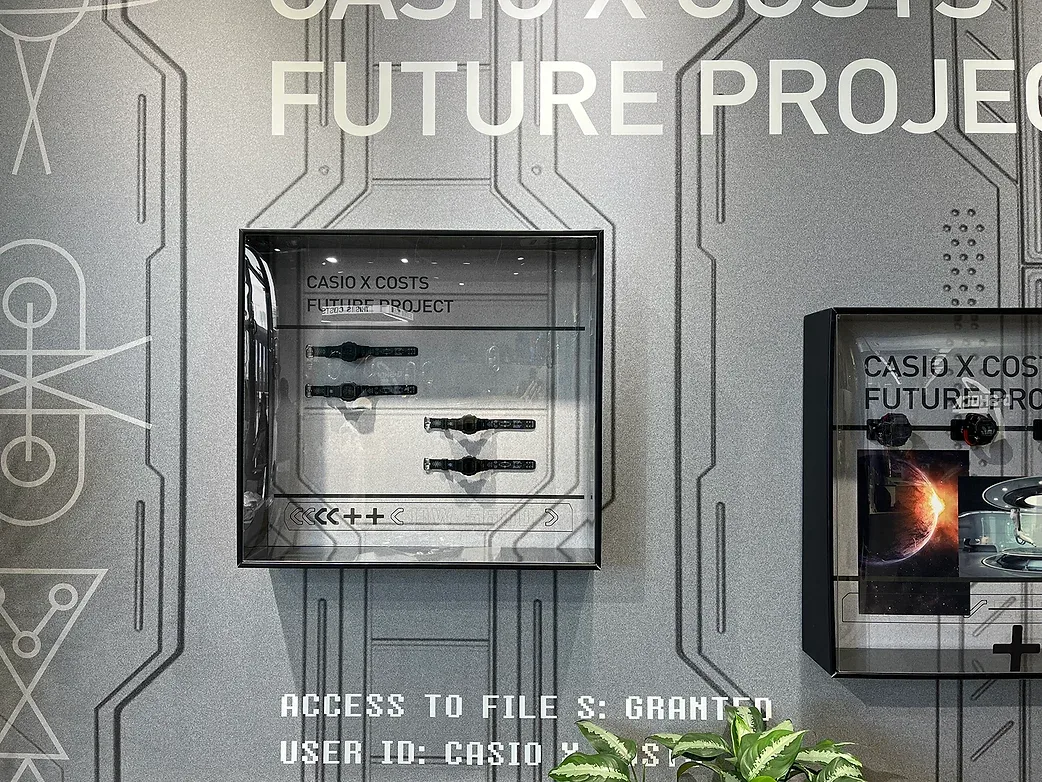
CASIO Watch Collaboration Bai’s symbols are compressed into the limited surface of a wristwatch, entering an object closely connected to the body, timekeeping, and daily use. An otherwise expansive visual system is transformed into a wearable miniature interface.
Tamiya Mini 4WD Collaboration The artist reorganized Tibetan patterns alongside elements of his own symbolic vocabulary and transferred them onto the model vehicle, bringing traditional graphic forms into contact with mechanical structure, imagined speed, and popular model culture.
/OVERVIEW
“艺术家合作”汇集柏志威与MINI、Saucony、CASIO及Tamiya等品牌展开的跨领域项目。个人符号系统在汽车、鞋履、腕表和模型车中重新适应不同尺度、材料、制造方式与身体关系;在Saucony合作中,介入甚至由表面延伸至产品结构的拆解与重组。这些项目并非核心艺术作品的替代,而是检验一套视觉语言如何进入标准化生产、品牌叙事和日常消费系统的跨系统实验。
/FULL_PROJECT_TEXT
这组项目记录了柏志威将个人符号系统带入工业产品与商业生产环境的不同实践。合作对象包括 MINI 汽车、Saucony 鞋履、CASIO 腕表与 Tamiya 四驱车。符号在这些项目中不再停留于灯箱、影像或展览空间,而是进入具有既定功能、结构和传播路径的日常物件。
这些合作延续了艺术家早期视觉传达经验,但并非将现成图案简单附着于产品表面。面对不同物件,原有的符号需要重新适应其尺度、材料、制造方式和身体关系:汽车车身将线性图形展开为一种可移动的公共界面;腕表把符号压缩进与时间和身体紧密相连的微型结构;四驱车则将藏族纹样与个人图形语言移植到速度、机械和模型文化之中。
在与 Saucony 的合作中,柏志威进一步拆解一双既有鞋履,再将不同部分重新组合为新的形态。符号的迁移因而不只发生在表面,也进入物件的结构。原有产品既被保留,又因拆解、错位和重组而偏离其标准形制。
这些合作既不等同于柏志威的核心装置与声音作品,也不是与艺术实践完全分离的商业支线。它们更接近一组跨系统实验:观察一套源自图表、神秘主义与个人视觉经验的语言,在进入标准化生产、品牌叙事与消费环境后,如何改变尺度、结构与使用方式。
MINI 54周年限量车型合作
柏志威以个人符号系统重新组织车身表面,使线性图形跨越引擎盖、车门与车体结构。汽车既是图像的载体,也使符号进入城市交通与公共视野。
Saucony 鞋履合作
艺术家拆解既有鞋履,并对其部件进行重新配置,生成偏离标准鞋型的新结构。图形、材料与产品构造在拆解和重组中共同发生变化。
CASIO 腕表合作
符号被压缩至腕表的有限表面,并进入一个与身体、计时和日常使用紧密相连的物件。原本开放的视觉系统由此转化为可佩戴的微型界面。
Tamiya 四驱车合作
艺术家将藏族纹样与自身符号语言重新组织并移植至模型车体,使传统图形与机械结构、速度想象及流行模型文化发生并置。