Error Is Keeping Time误差正在计时
/PROJECT_INFO
/OVERVIEW
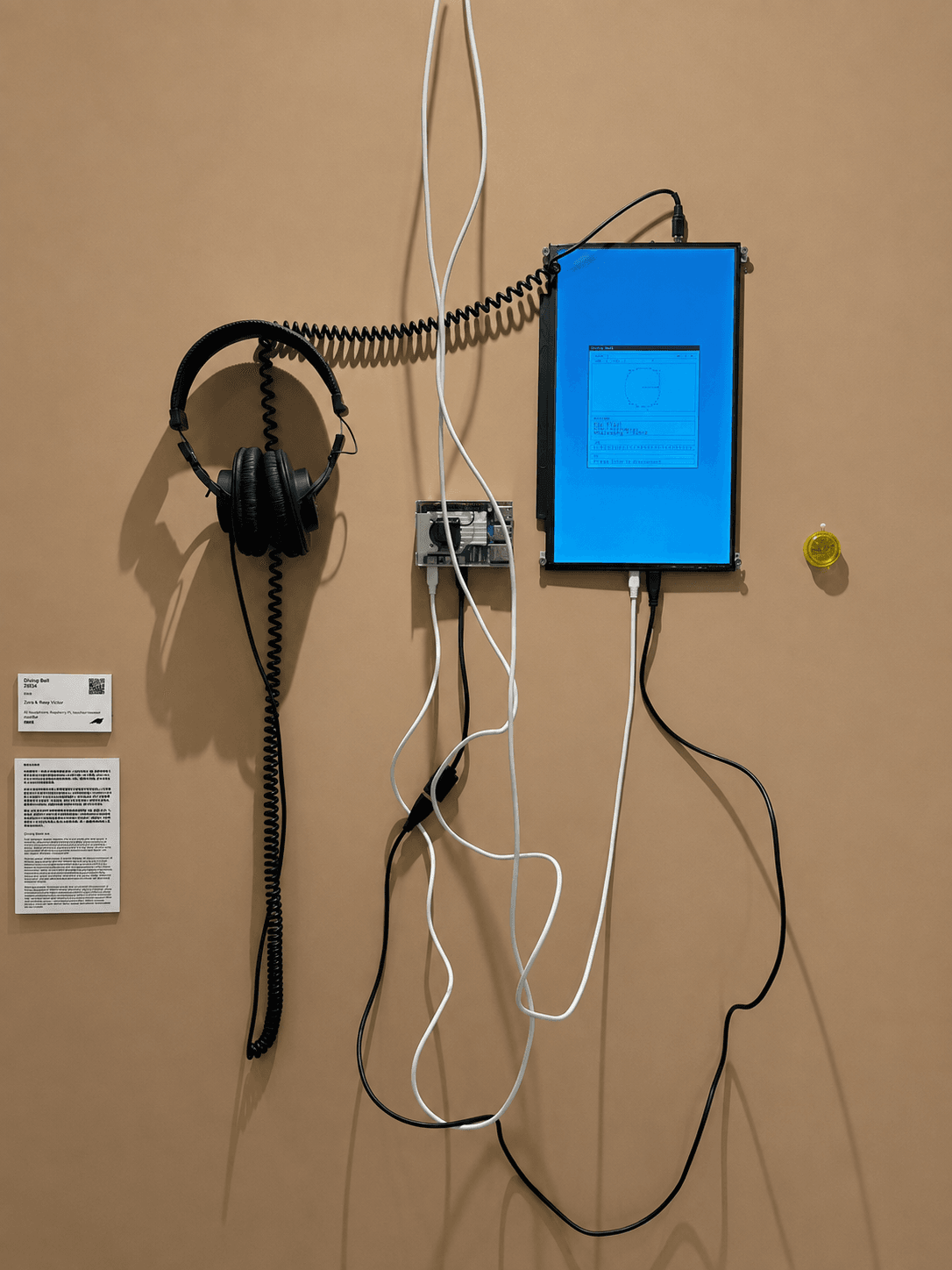
The digital clock on screen repeatedly slows, skips, and then tries to catch up. Bai rewrites energy transfer, friction, and accumulated error from mechanical timekeeping into a computational system, making “accuracy” no longer a default condition but something that must be continually maintained. An independently running mechanical clock provides a material reference, allowing viewers to sense how deviation emerges across two different forms of timekeeping.
/FULL_PROJECT_TEXT
We usually take the continuous and accurate movement of a clock for granted. Error Is Keeping Time begins with this familiar expectation, rebuilding the hidden transfer of energy, friction, loss, and accumulated deviation of a mechanical clock inside a digital timekeeping system.
The program does not display the correct current time. Each second is determined by variables including phase, virtual energy, friction, accumulated error, and “time debt.” As energy declines, the digital clock can lag, skip, catch up, or suddenly compensate; earlier deviations continue to shape later behaviour. The screen and sound are generated from the live computational state, making invisible changes audible through ticks, friction, pauses, and breaks.
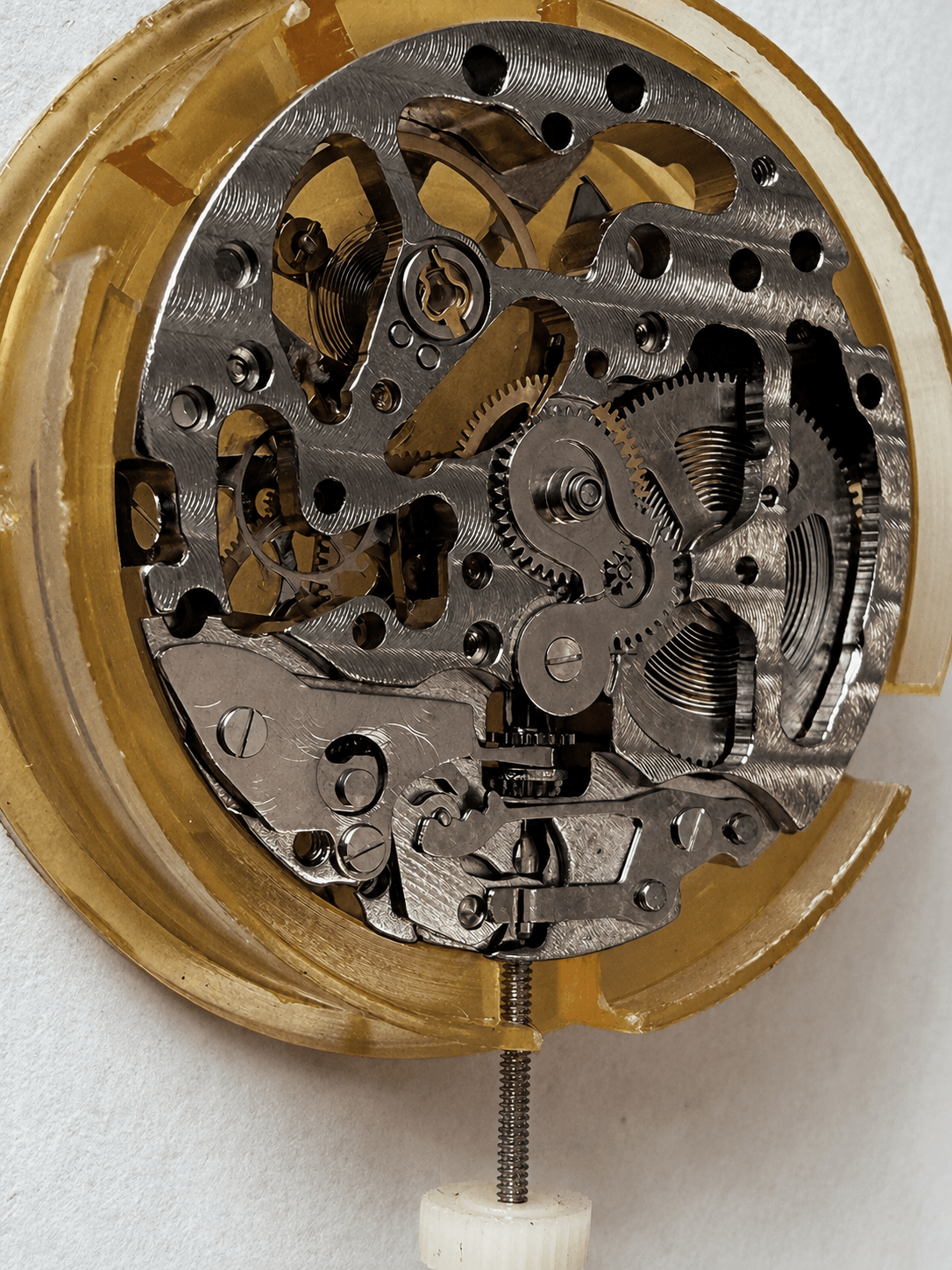
An exposed mechanical clock is installed beside the screen, but it is not connected to the program and sends no data to the digital system. Its gears continue through physical energy transfer and friction, while the computational system runs a deliberately constructed model of another kind of loss. The two remain independent, allowing viewers to compare material movement with a computational model rather than treating the latter as a literal simulation of mechanical wear.
The work does not set out to prove that clocks inevitably fail. Instead, it turns our trust in accuracy back into something that can be observed. Continuous, stable time depends on conditions, energy, and compensation; once these acts of maintenance are written into the work, accuracy appears not only as an outcome but as something continually produced.
/OVERVIEW
屏幕上的数字时钟不断迟滞、跳秒,又尝试追赶。柏志威把机械钟表中的能量传递、摩擦与误差累积重新写入数字系统,使“准确”不再是默认状态,而成为一个需要持续维持的过程。旁边独立运转的机械钟提供物质参照,让观众在两种不同的计时机制之间感受偏差如何发生。
/FULL_PROJECT_TEXT
我们通常把钟表持续而准确地向前运行视为理所当然。《误差正在计时》从这一熟悉经验出发,把机械钟表中原本隐藏的能量传递、摩擦、损耗与误差累积重新构建进一个数字计时系统。
程序并不显示准确的当前时间。每一秒由相位、虚拟能量、摩擦、累计偏差与“时间债务”等变量共同决定。随着能量衰减,数字时钟会迟滞、跳秒、追赶和突然补偿;前面形成的偏差继续影响后面的运行。屏幕与声音都由实时计算状态生成,滴答、摩擦、停顿和断裂让原本不可见的计算变化可以被听见和感到。
现场并置一只外露机芯的机械钟,但它没有与程序连接,也不向数字系统传输数据。真实齿轮依靠发条、擒纵与摩擦持续运行;数字系统则以人为建立的模型模拟另一种“耗损”。两者各自运行,使观众可以在物质运动和计算模型之间比较,而不是把数字系统误认为真实机械磨损的复制。
作品并不是为了证明时钟一定会失准,而是把我们对“准确”的信任重新变成一个可以观看的过程。一个持续稳定的时间需要条件、能量与补偿;当这些维护动作被写进作品,准确就不再只是结果,而显露出它背后持续发生的劳动。